LG's global Life's Good campaign · Five films · LG Home Appliances / TBWA\Chiat\Day New York
LG Better Choices Make a Better World
Global CampaignFive Films, One BuildCertified Green ProductionMiniatures + CG
LG's global Life's Good campaign · Five films · LG Home Appliances / TBWA\Chiat\Day New York
Overview
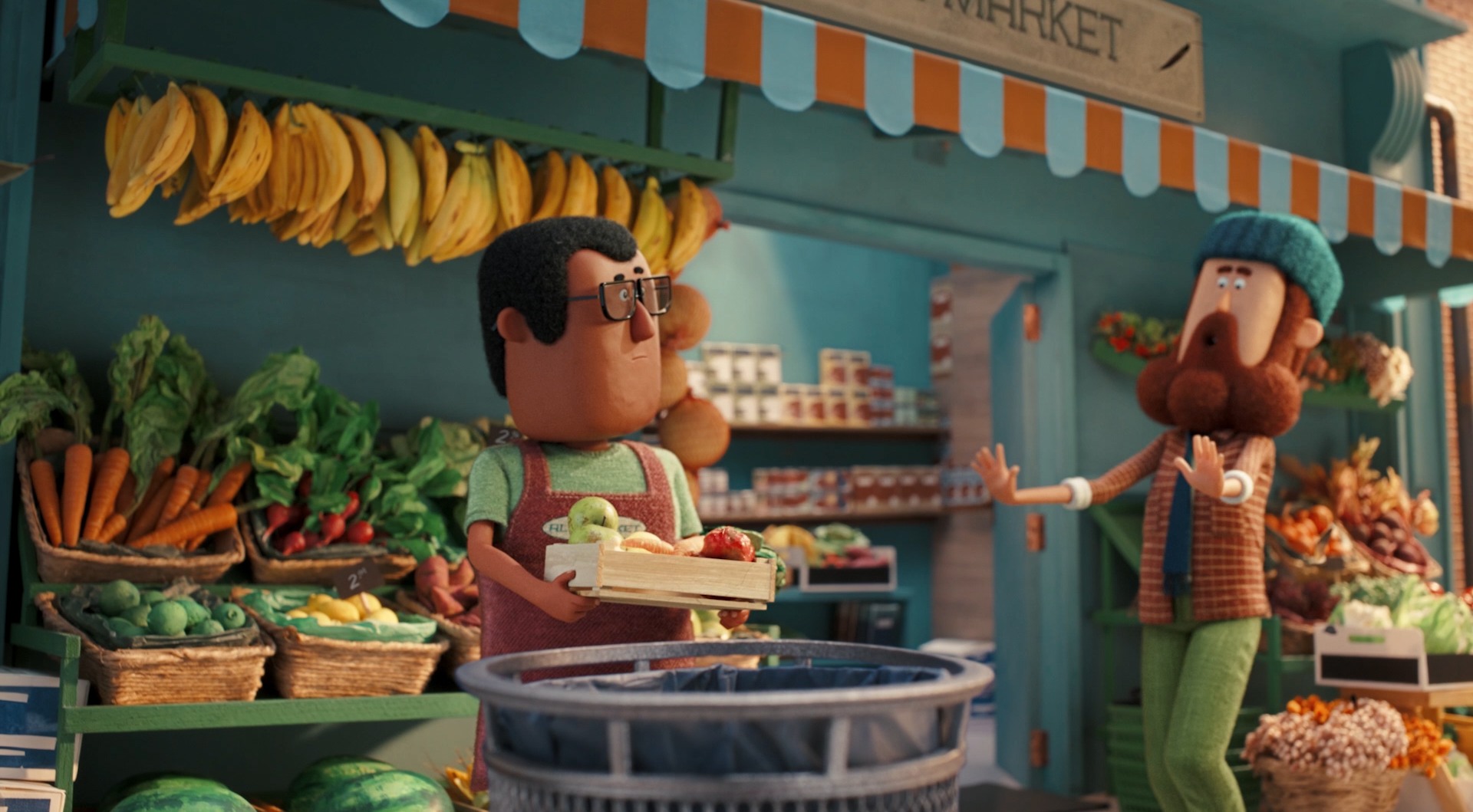
One campaign, a series of films: a lovingly crafted miniature world where friendly clay characters get a nudge from a big human hand towards better, more sustainable choices, with LG appliances doing the helping. Kitchen, Better Sweaters and Flowers Whisperer all grew from one build: physical sets shot with a robotic motion-control system, CG characters rendered as clay and felt on top, and a certified green production overseen by Set Sustentável and Casa Causa from first frame to last.
The result
Film count from the campaign delivery; green certification reported by LBB and carried in the campaign credits (Sustainable Set). No client performance figures published.
5
films from one miniature build: the anthem, Kitchen, Dishwasher, Better Sweaters, Flowers Whisperer
3
changemakers nudged towards better choices
100%
of the production certified green, overseen by Set Sustentável and Casa Causa
Behind the work
The family
The campaign ran as a set: a 95 second brand film, four product films and a teaser, each cut again for 16x9, 1x1 and 9x16, in six second, fifteen second and long form versions. Every one of them was built in the same miniature world.
The environment
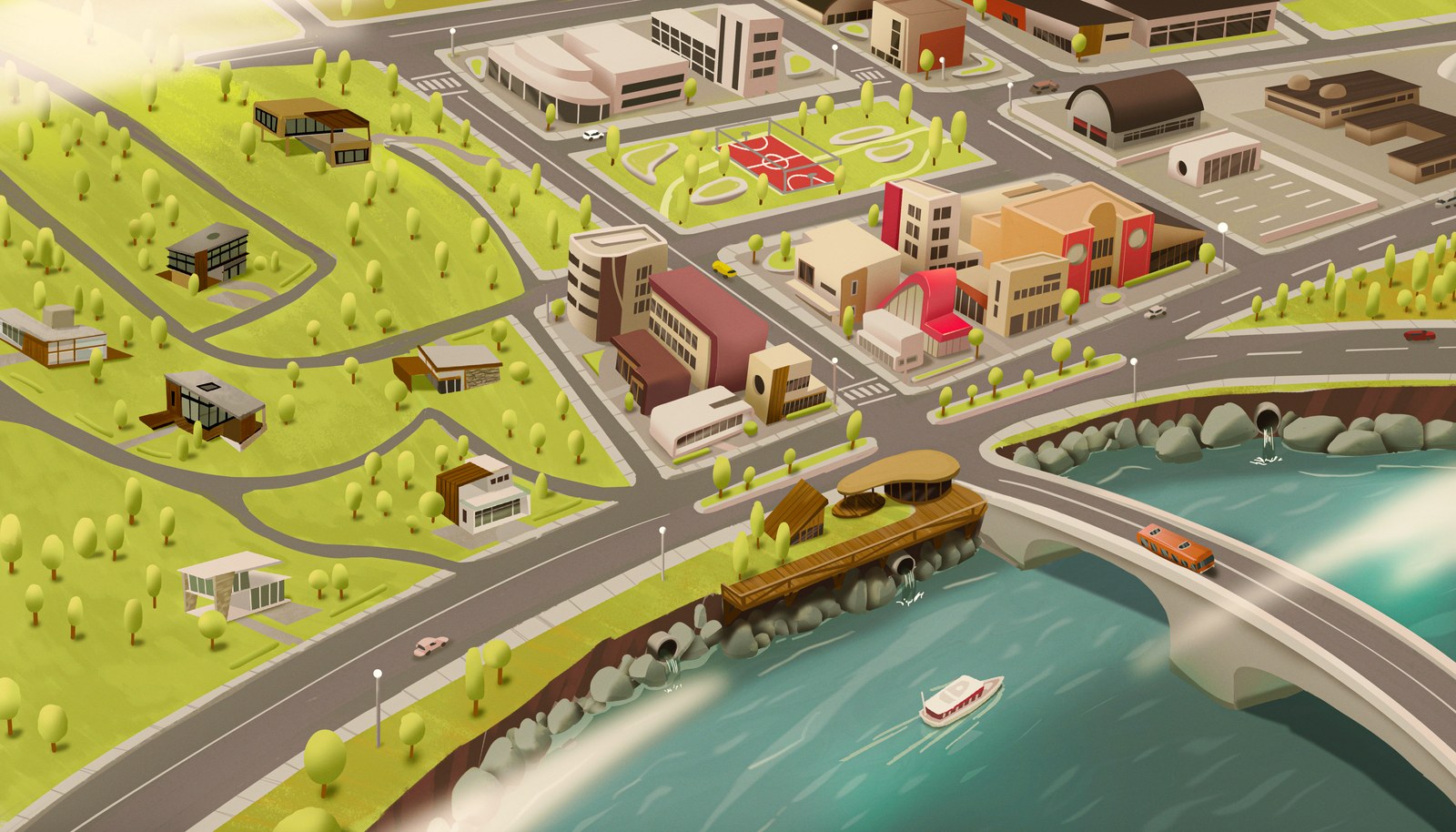
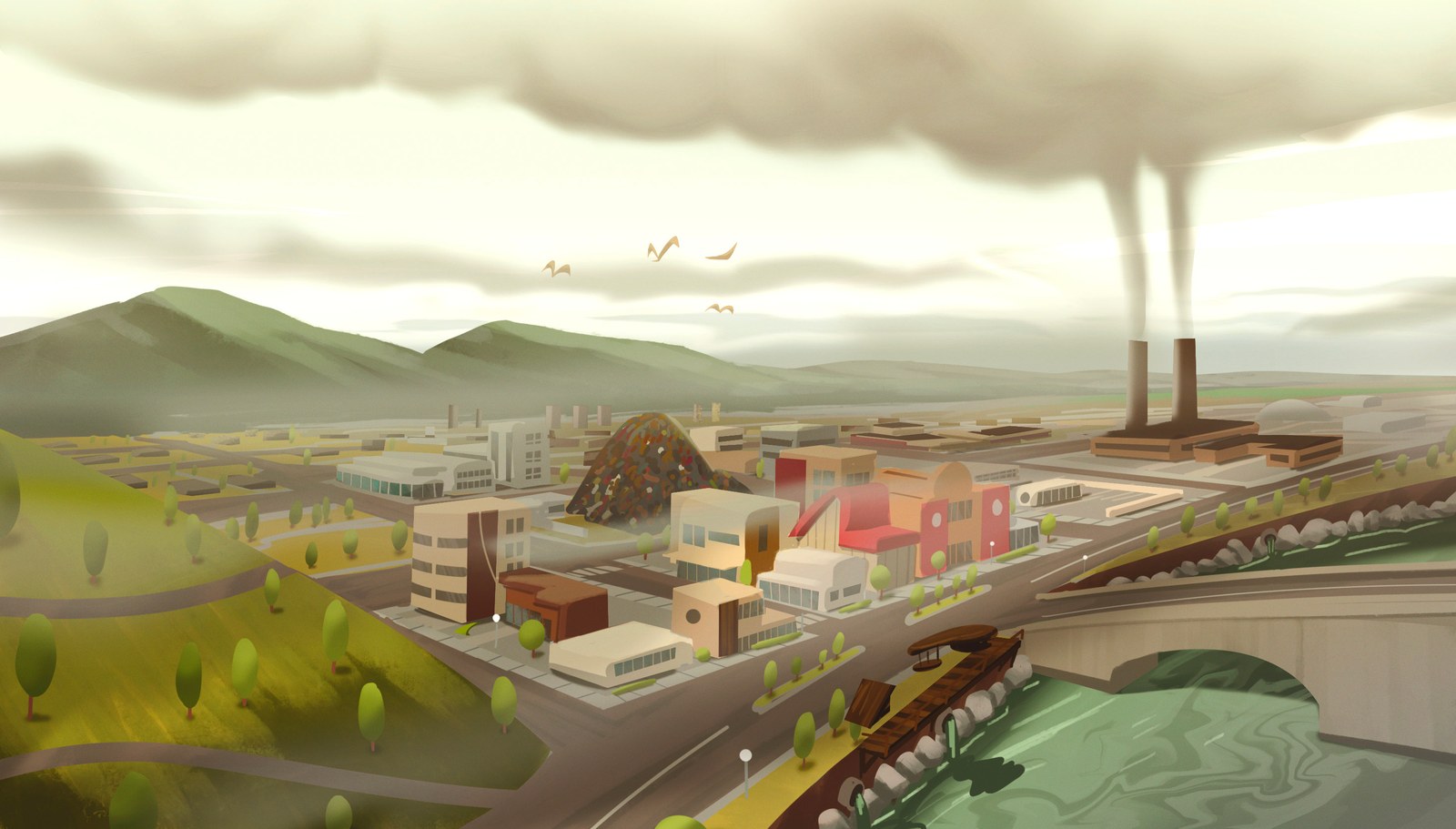
Before a single house was modelled, the world was drawn in two states. One version under smoke, the river the wrong colour, the hills stripped. The other the same geography with the smoke gone and the water back. Early sketches even name the first one on a road sign: Welcome to Unpleasantville. Everything after that, every appliance and every animal, is just the argument for moving from one drawing to the other.
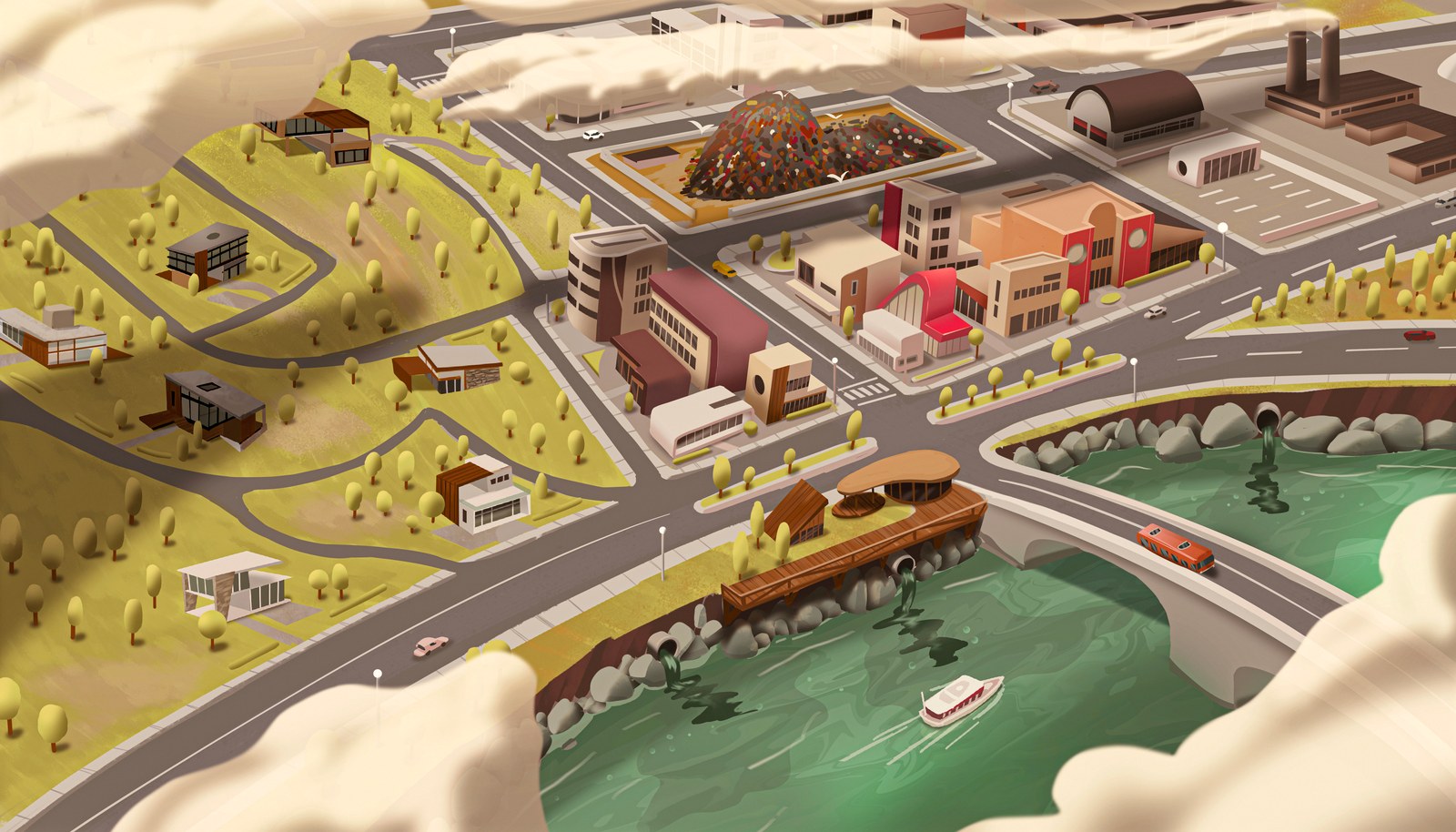
The town under smoke
And the same town with the smoke gone
The wide view, before
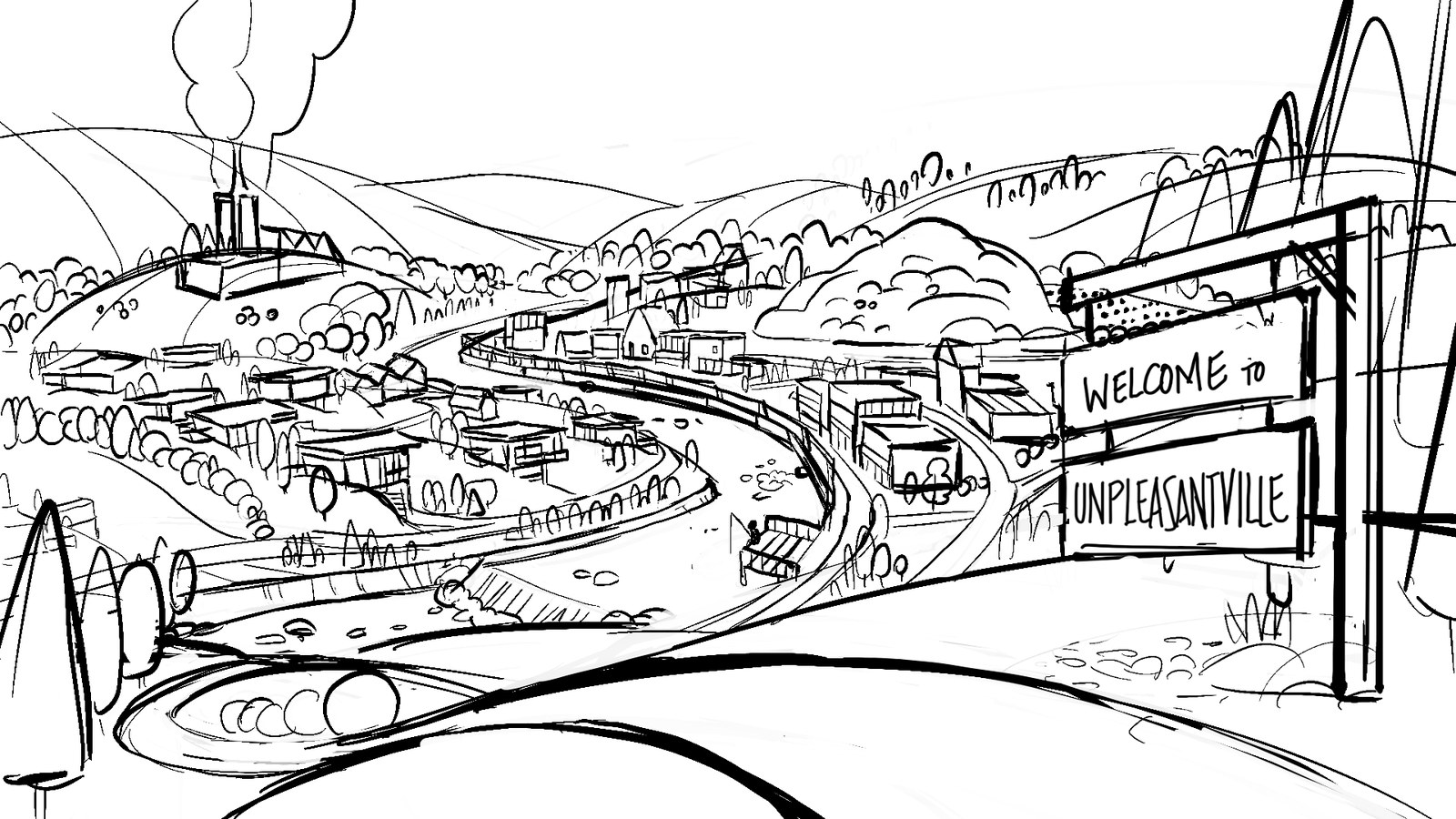
Welcome to Unpleasantville, in the early sketches
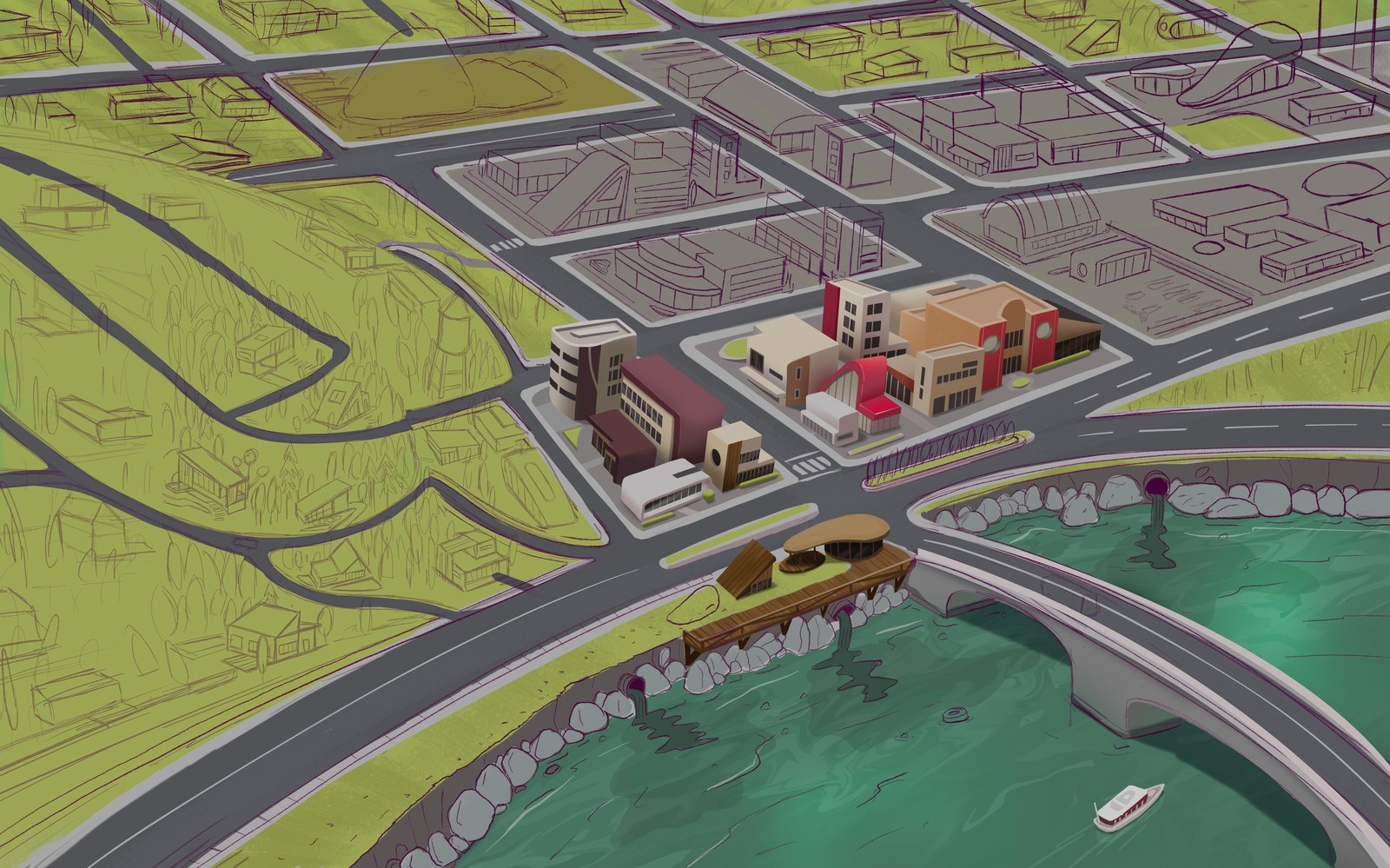
The layout, roughed out
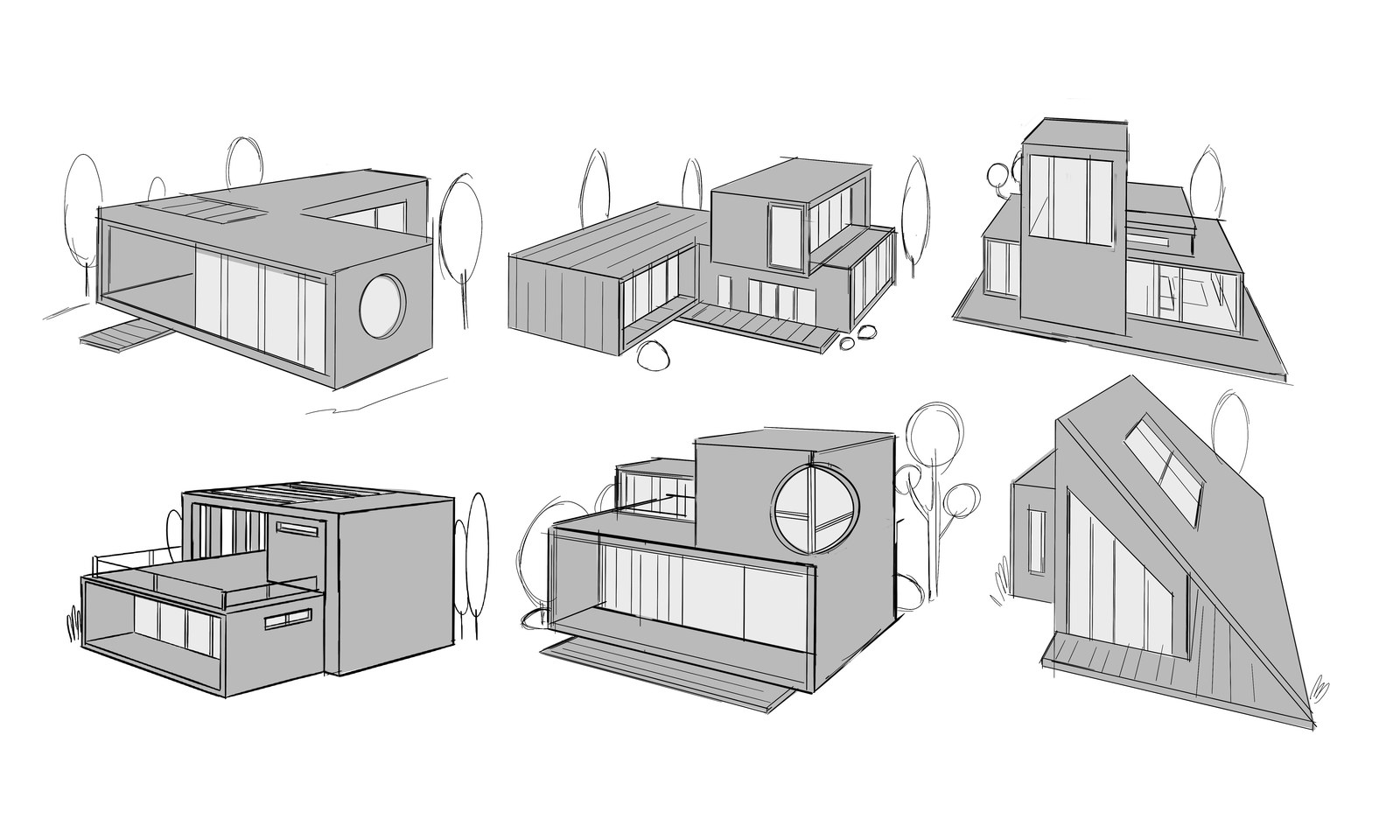
House types, worked out as a set
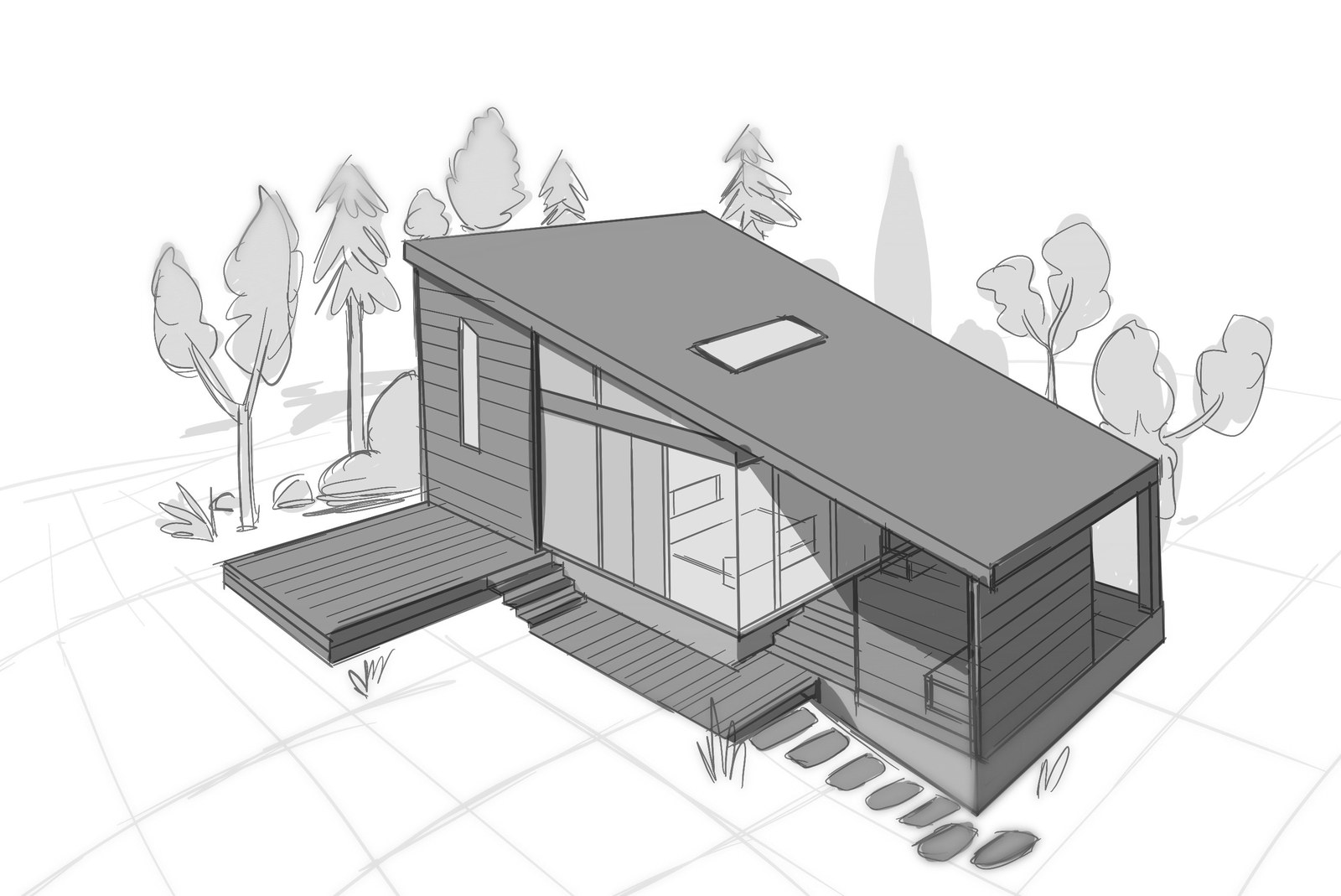
One house, resolved
The maquette
The films are CG, but the world was worked out physically first. The production fabricated the market, the street, the kitchen and the garden beds in the studio, at scale, so the volumes, the sightlines and the dressing were settled by hand before any of it was built again in the computer. It is why the finished frames feel like somewhere that exists rather than somewhere that was modelled.
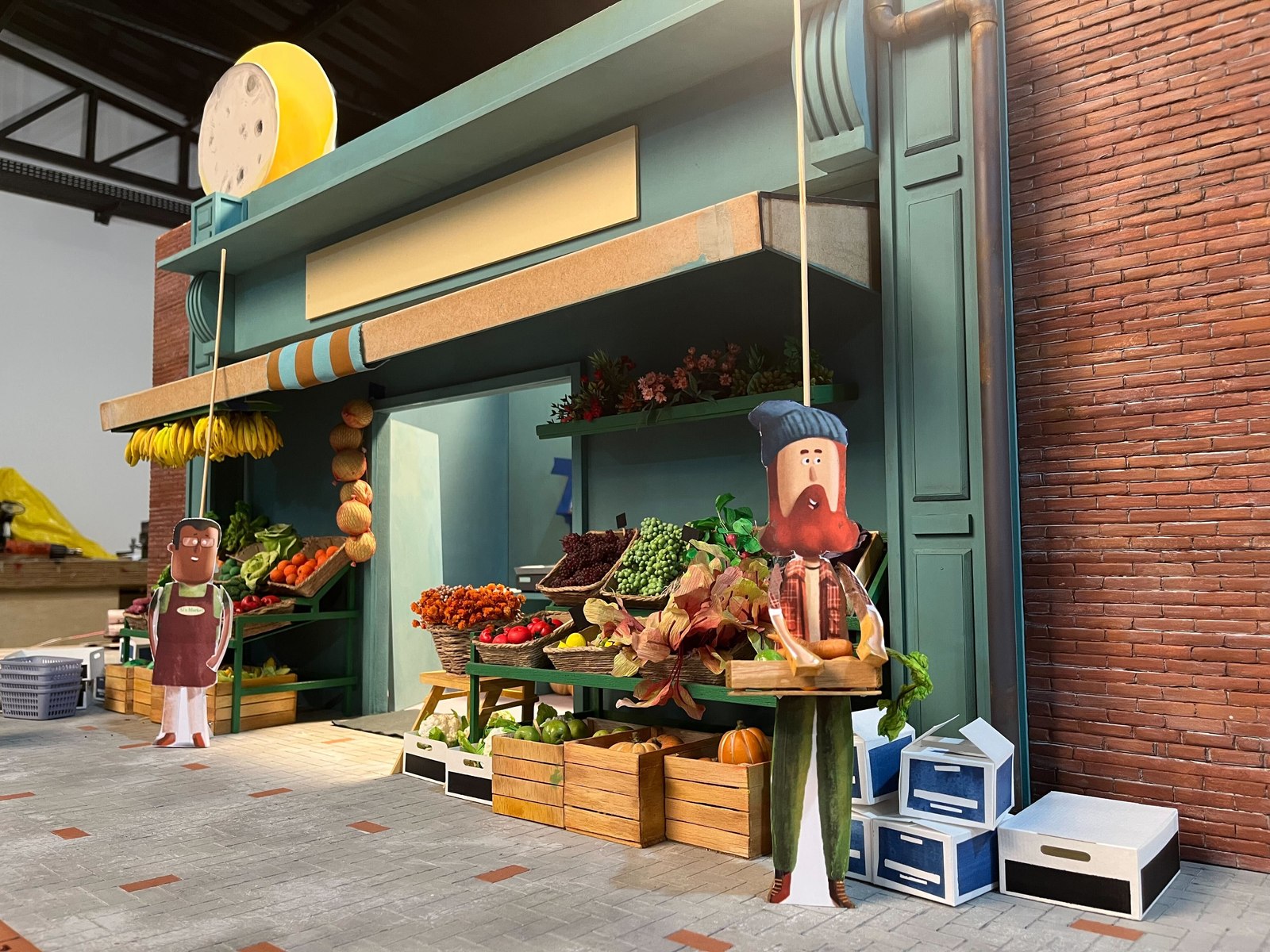
The market, dressed and standing
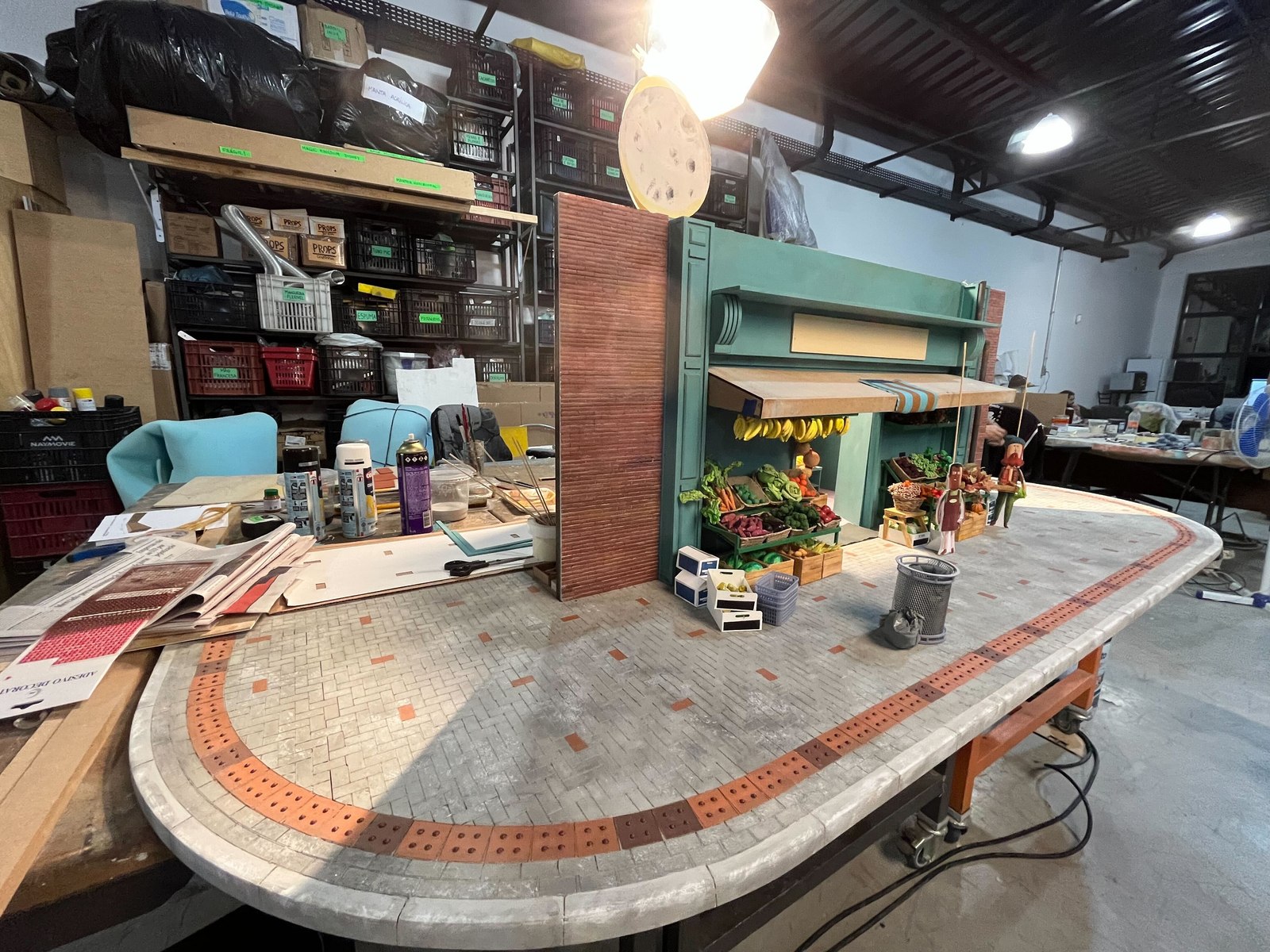
The street, before the lights came in
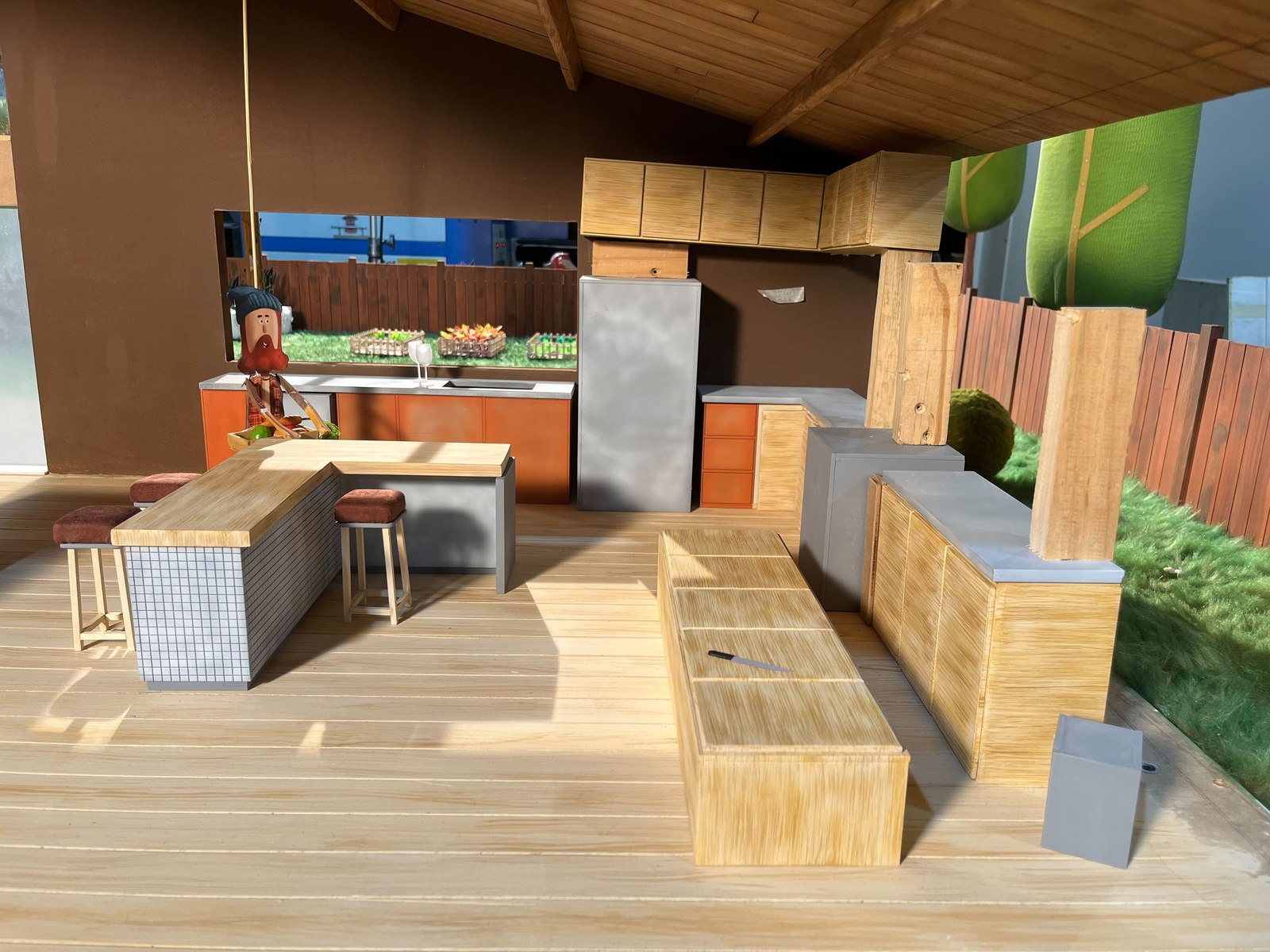
The kitchen
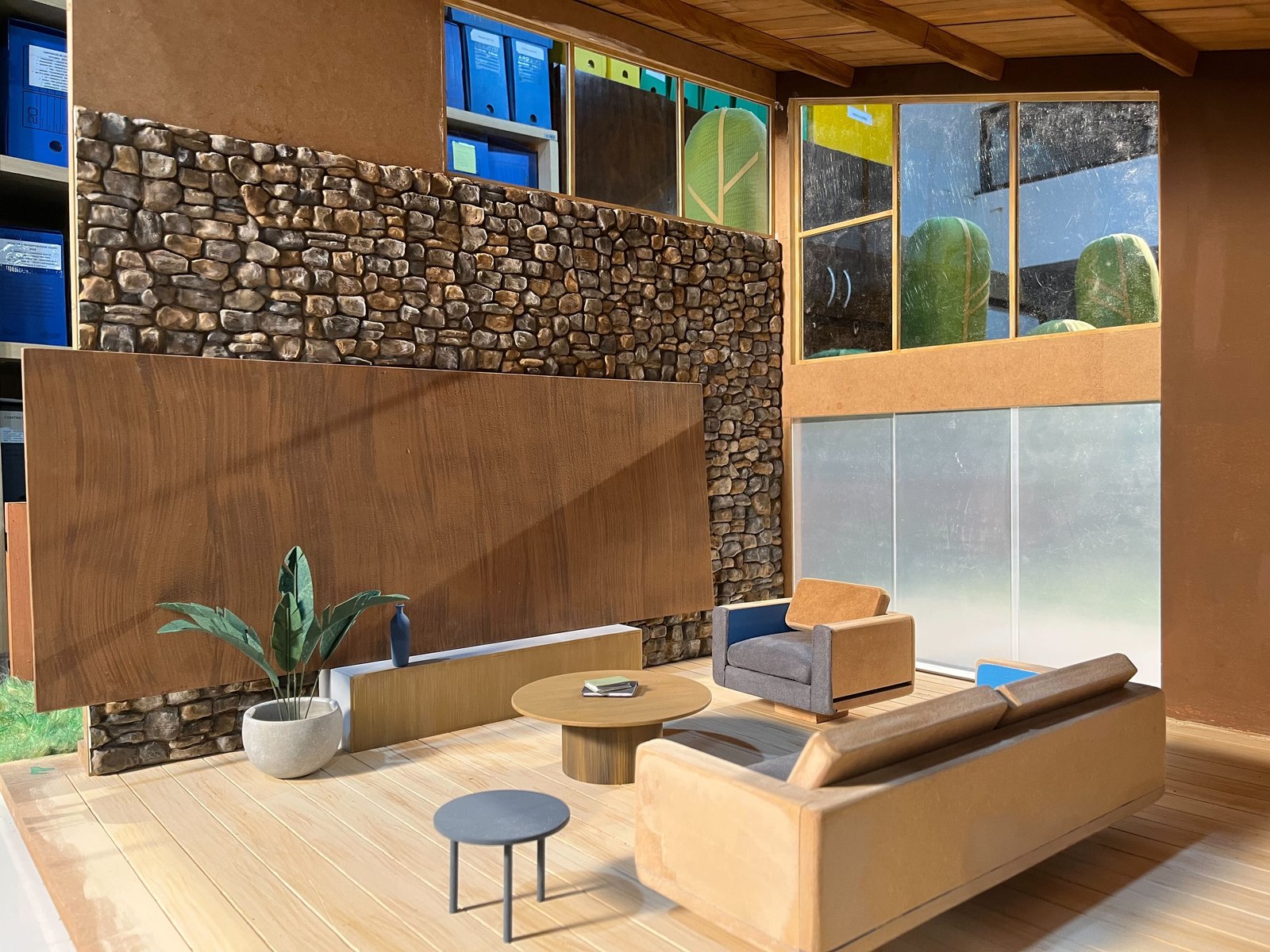
The living room
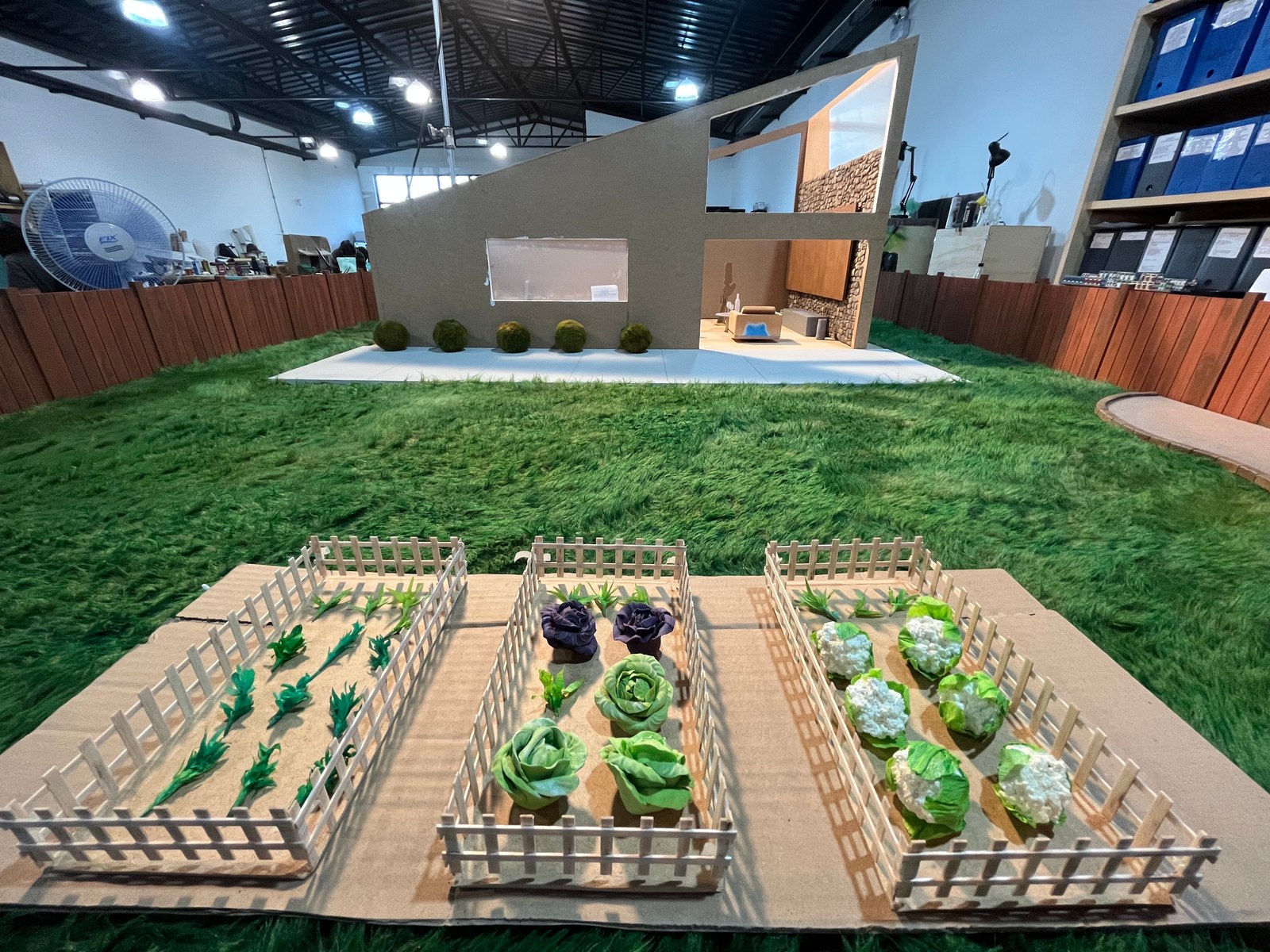
The garden beds
The props
The campaign is about food that gets thrown away for looking wrong, so the props had to be wrong on purpose: a bent carrot, a bruised beetroot, a potato nobody would pick up. Each one was sculpted, painted and shot on a ruler before it was allowed near the set.
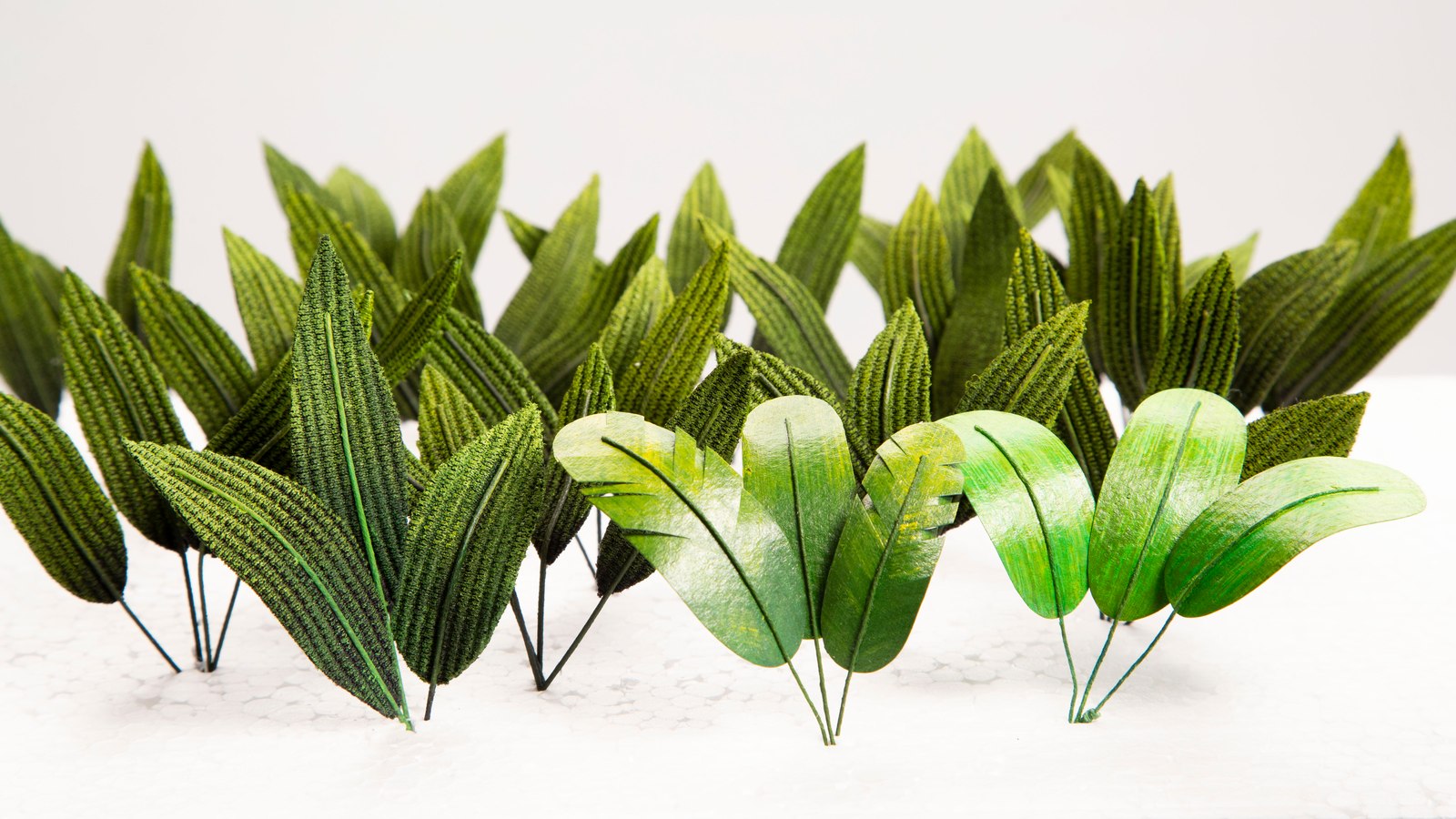
Greens, made leaf by leaf
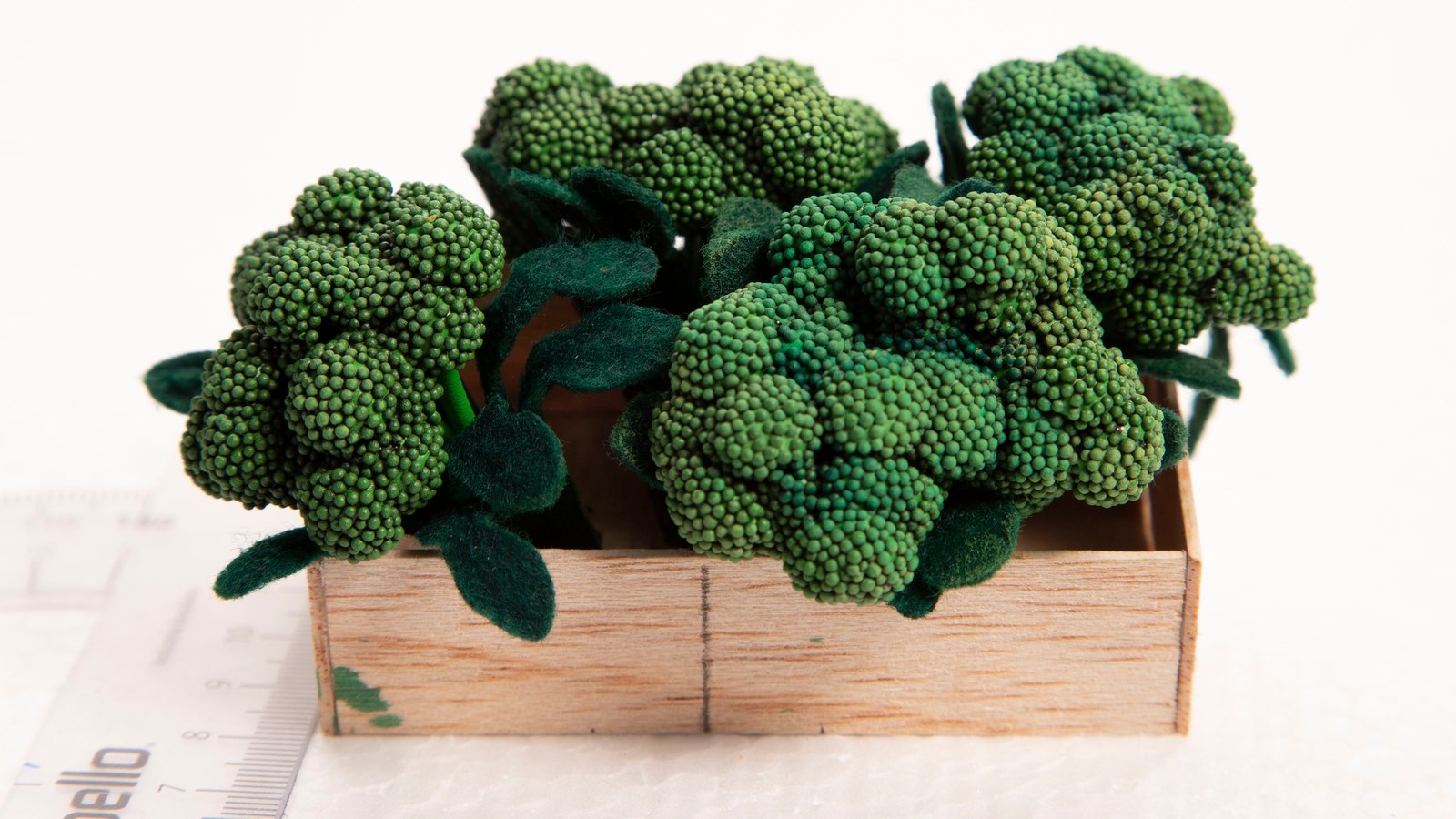
Broccoli
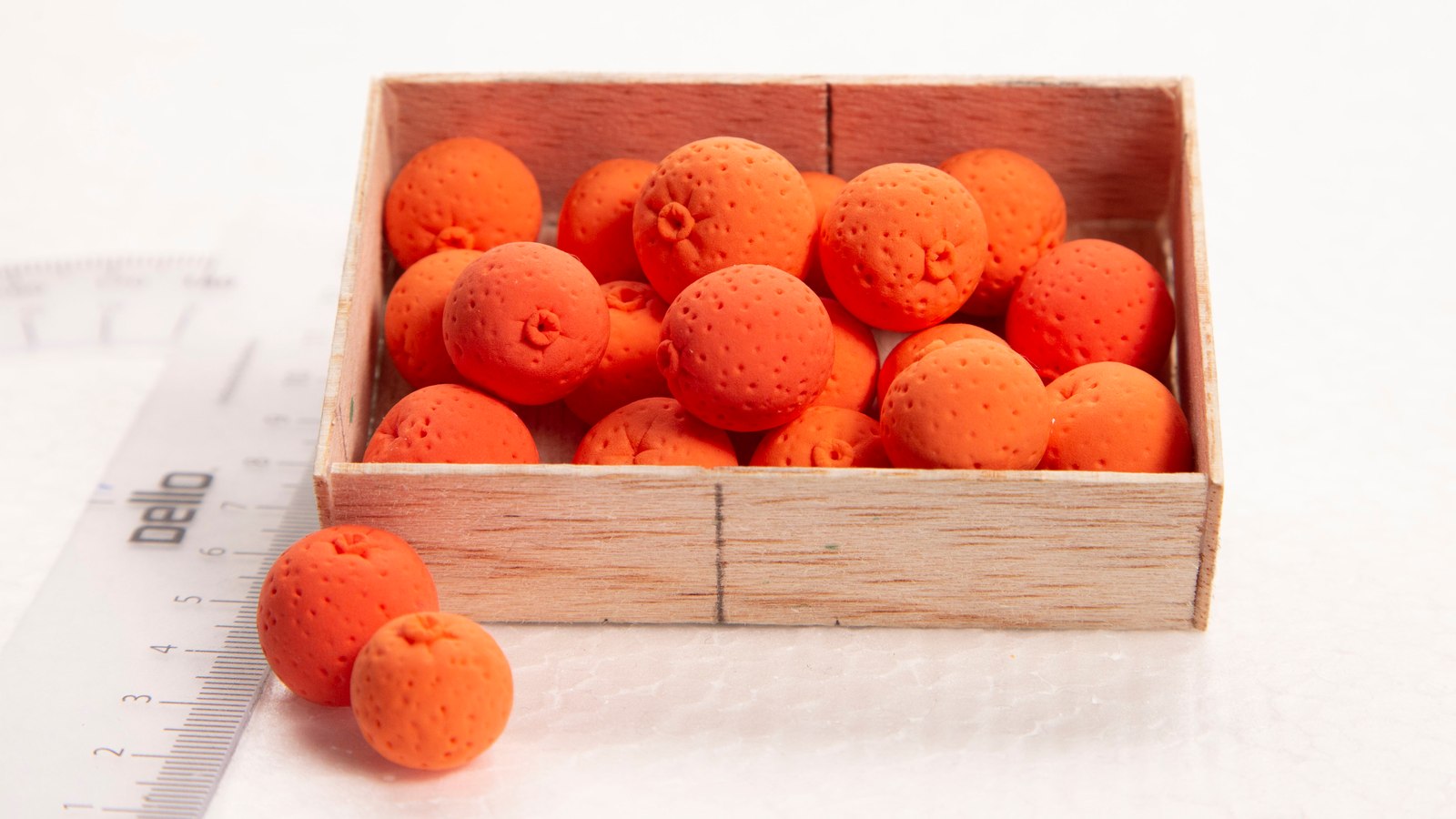
Oranges, none of them perfect
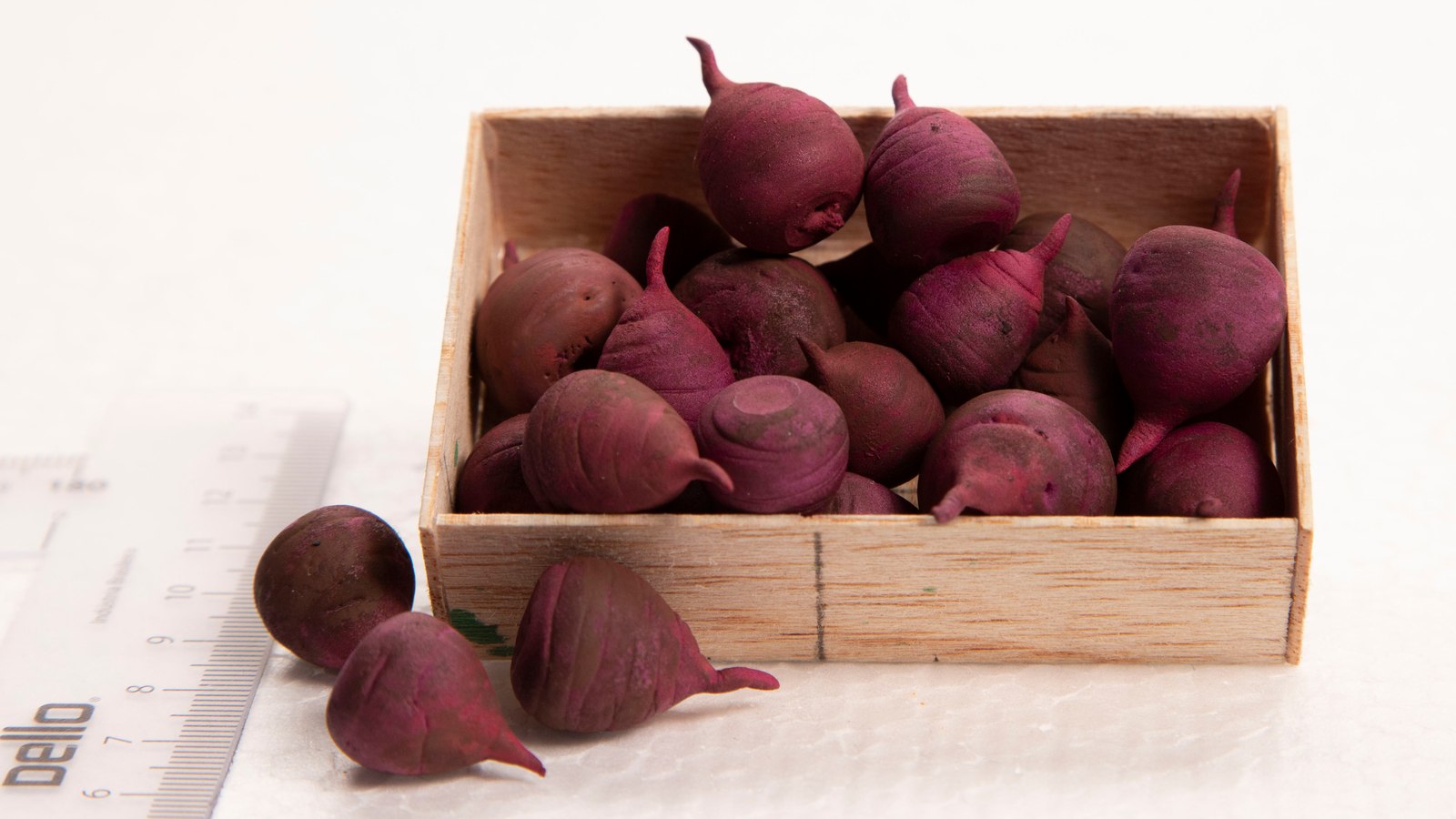
Beetroot
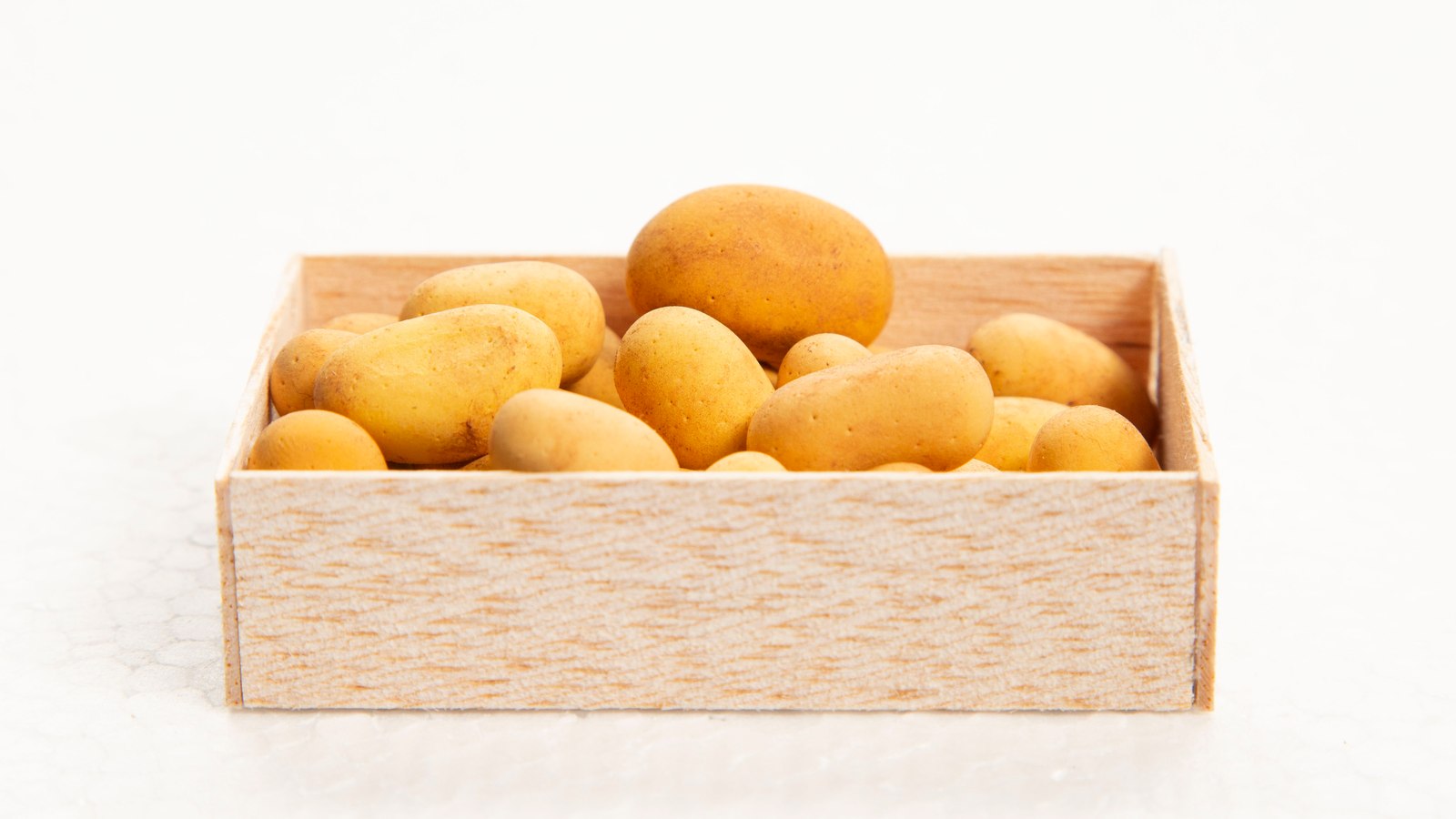
Potatoes
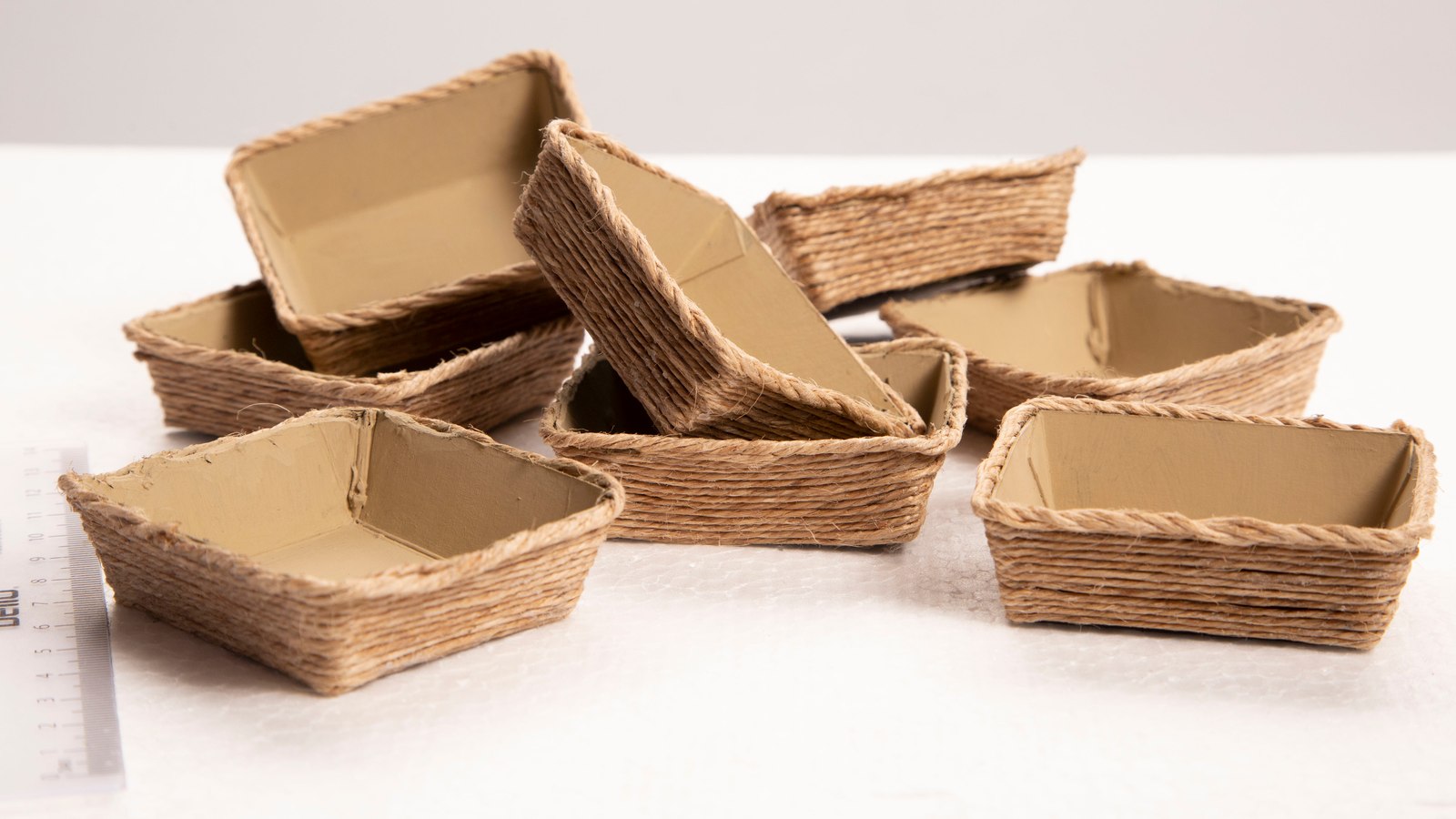
And the crates they sit in
Character design
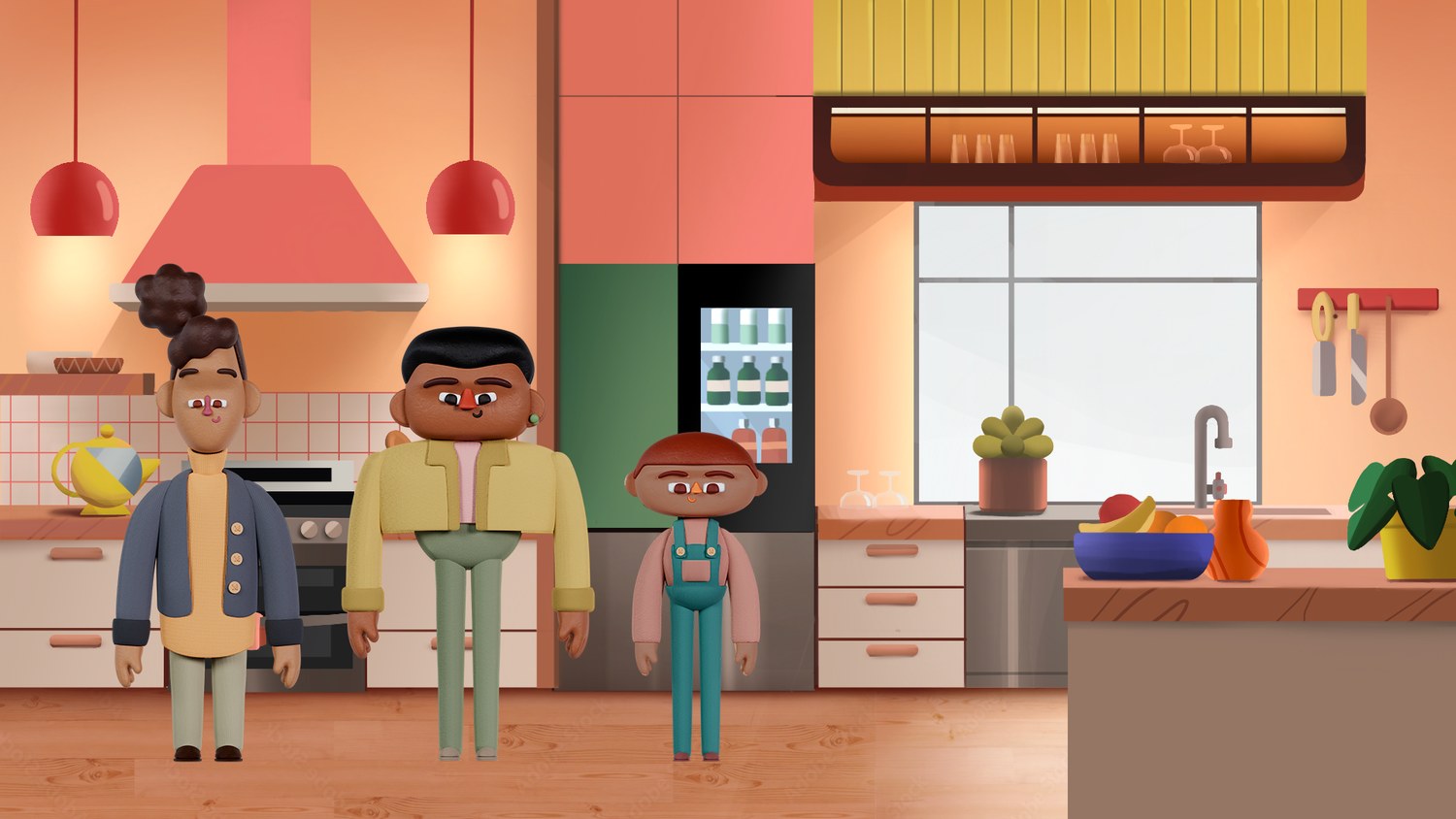
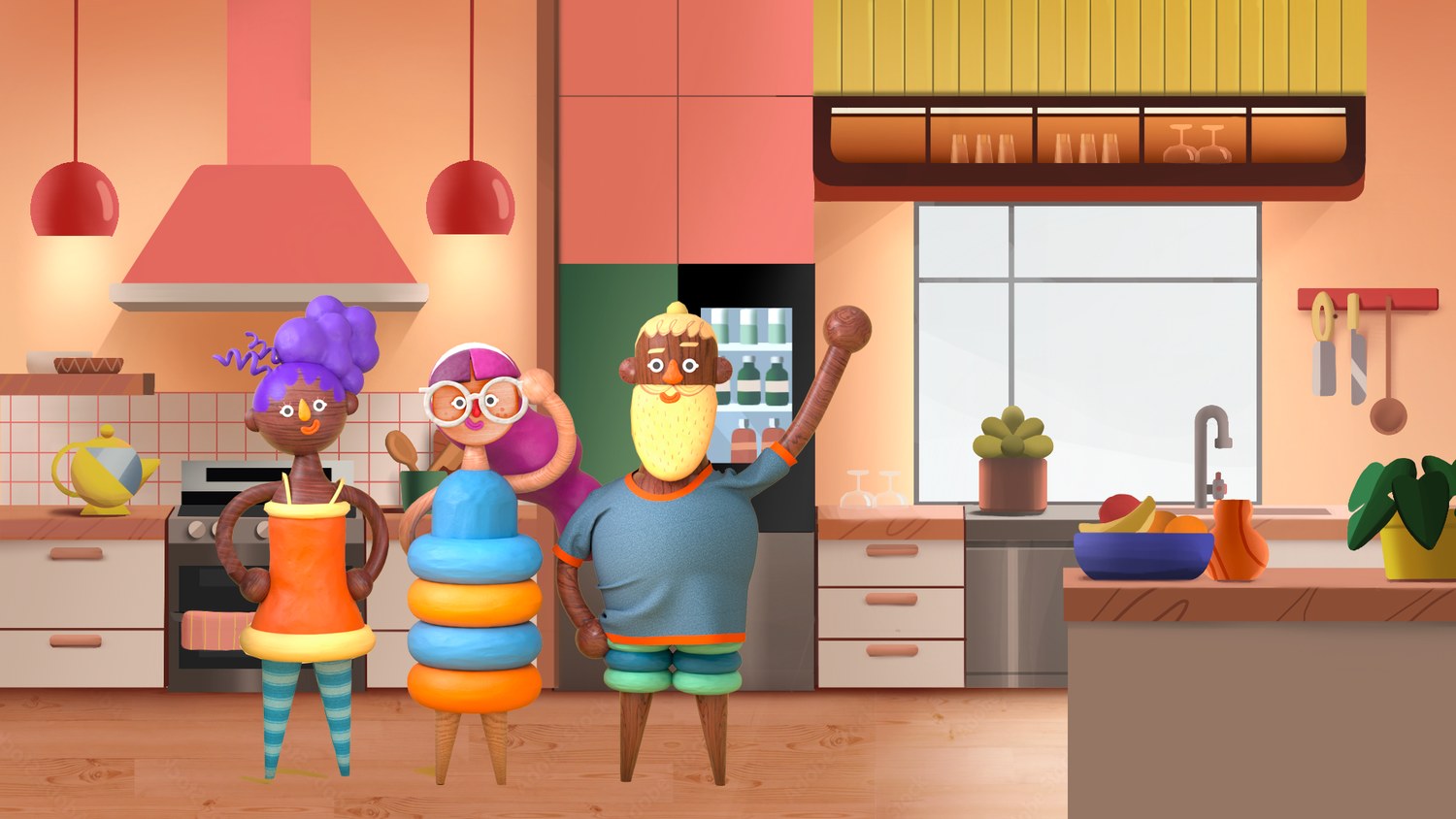
The cast was resolved in stages, and each stage was allowed to fail on its own terms. Grey block-outs first, so the family reads as four silhouettes before anyone argues about a jumper. Then outline, then proportion, then colour. The brief was that every character should look modelled and rendered as if made of wood, with hair and clothes in felt: warm and organic, but executed with the precision of machinery rather than the wobble of a hand. So they were studied as jointed wooden figures before they were ever dressed.
Silhouette first, in grey blocks
Height and mass, settled before anything else
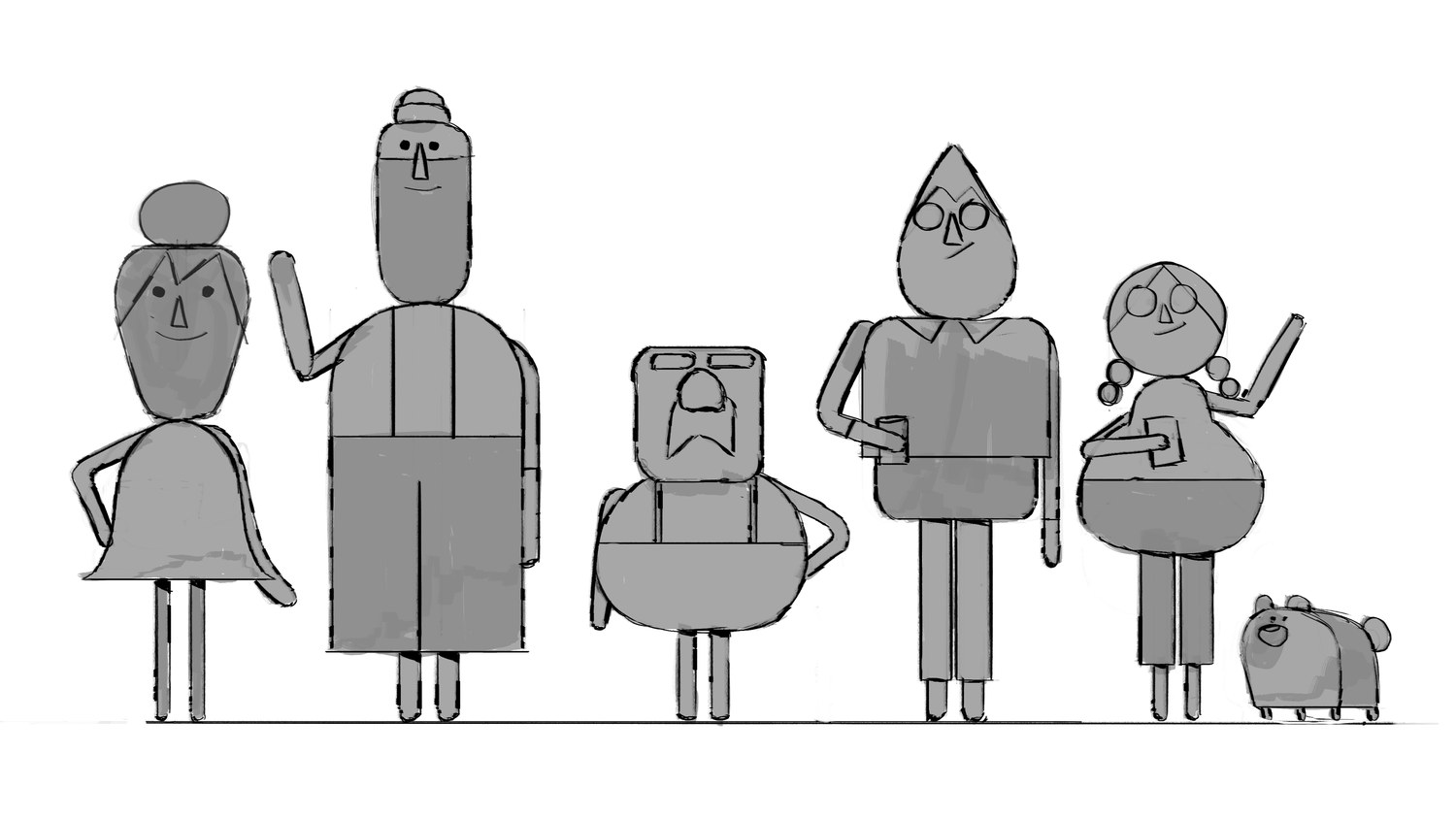
Then outline
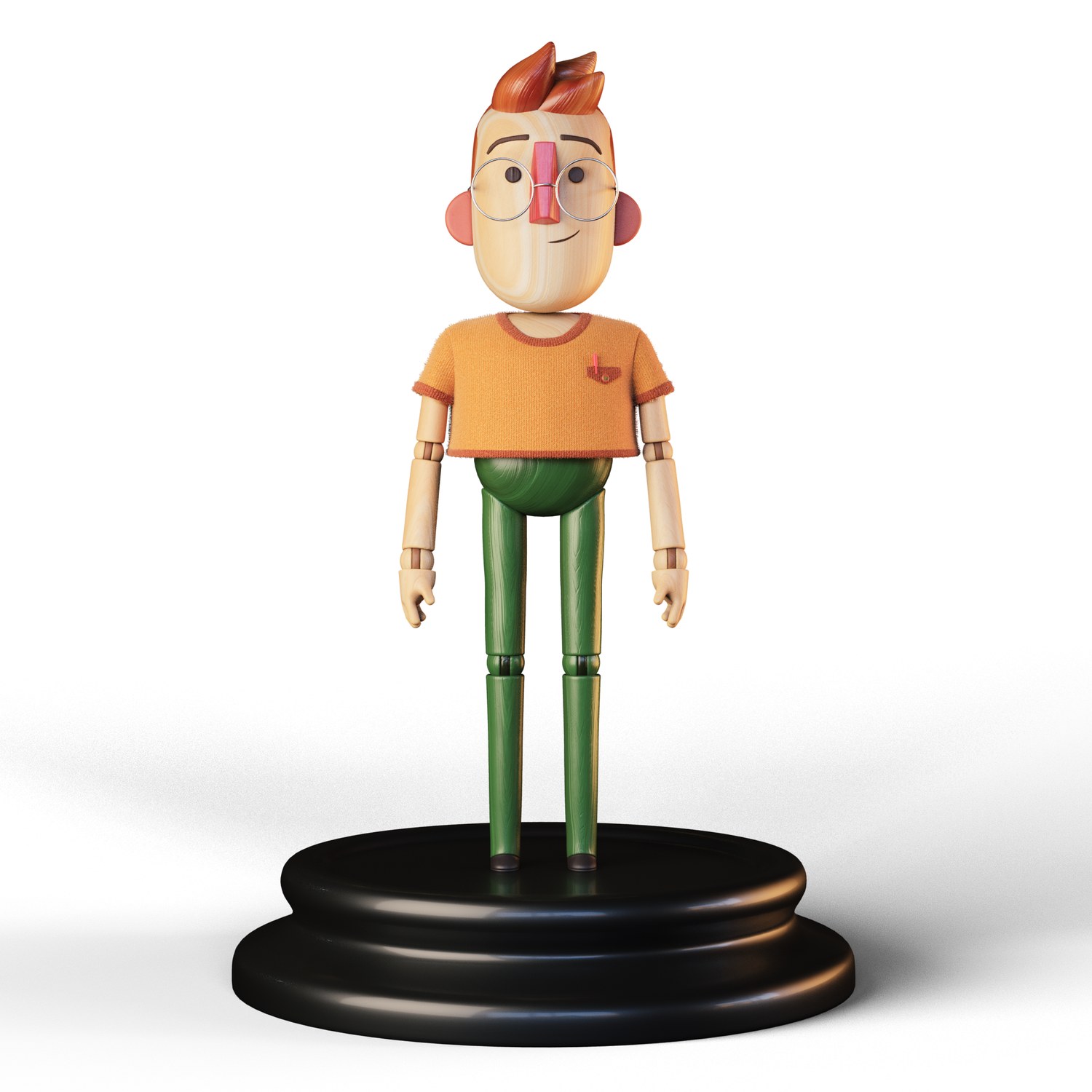
Studied as a jointed wooden figure
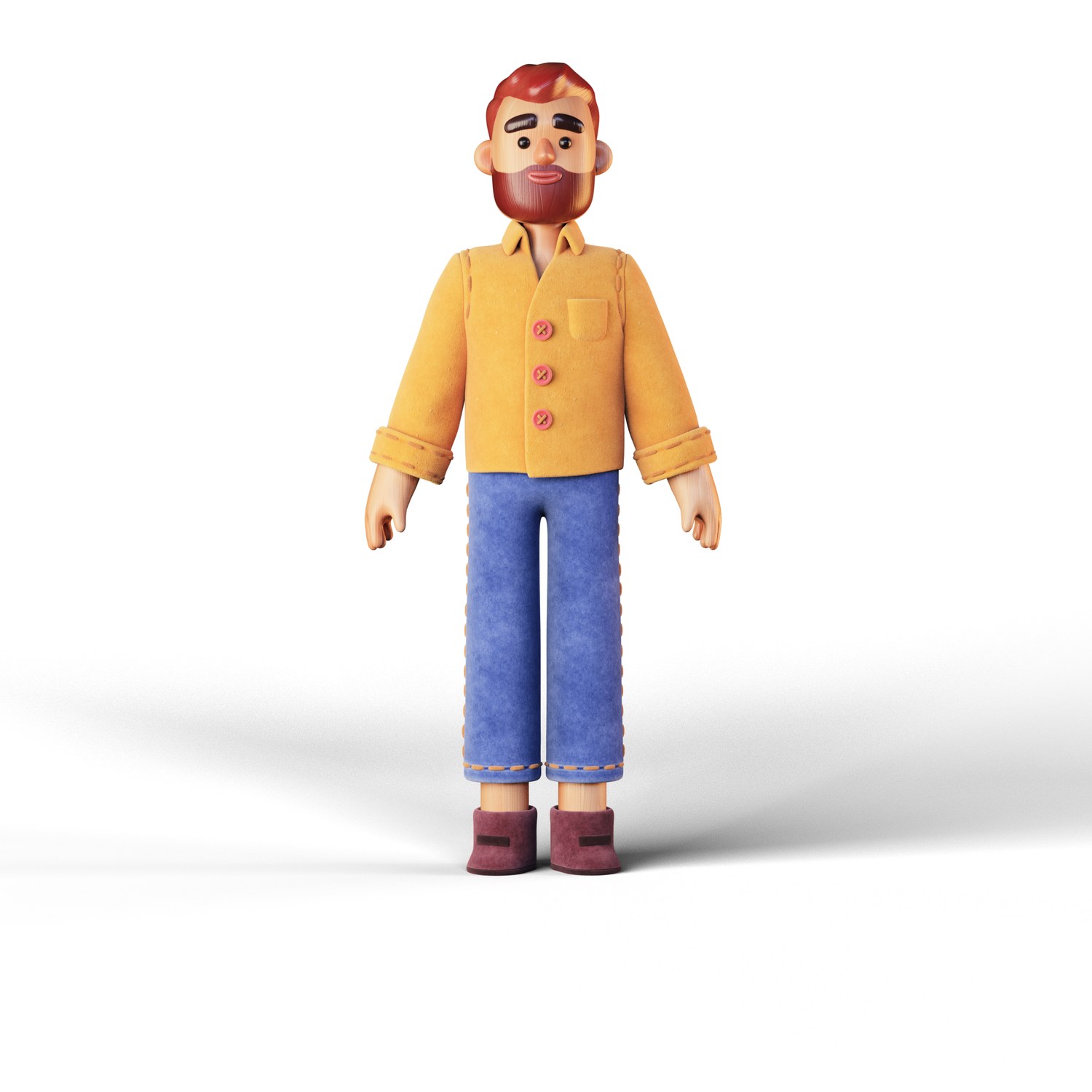
Wood at the joints, felt on the clothes
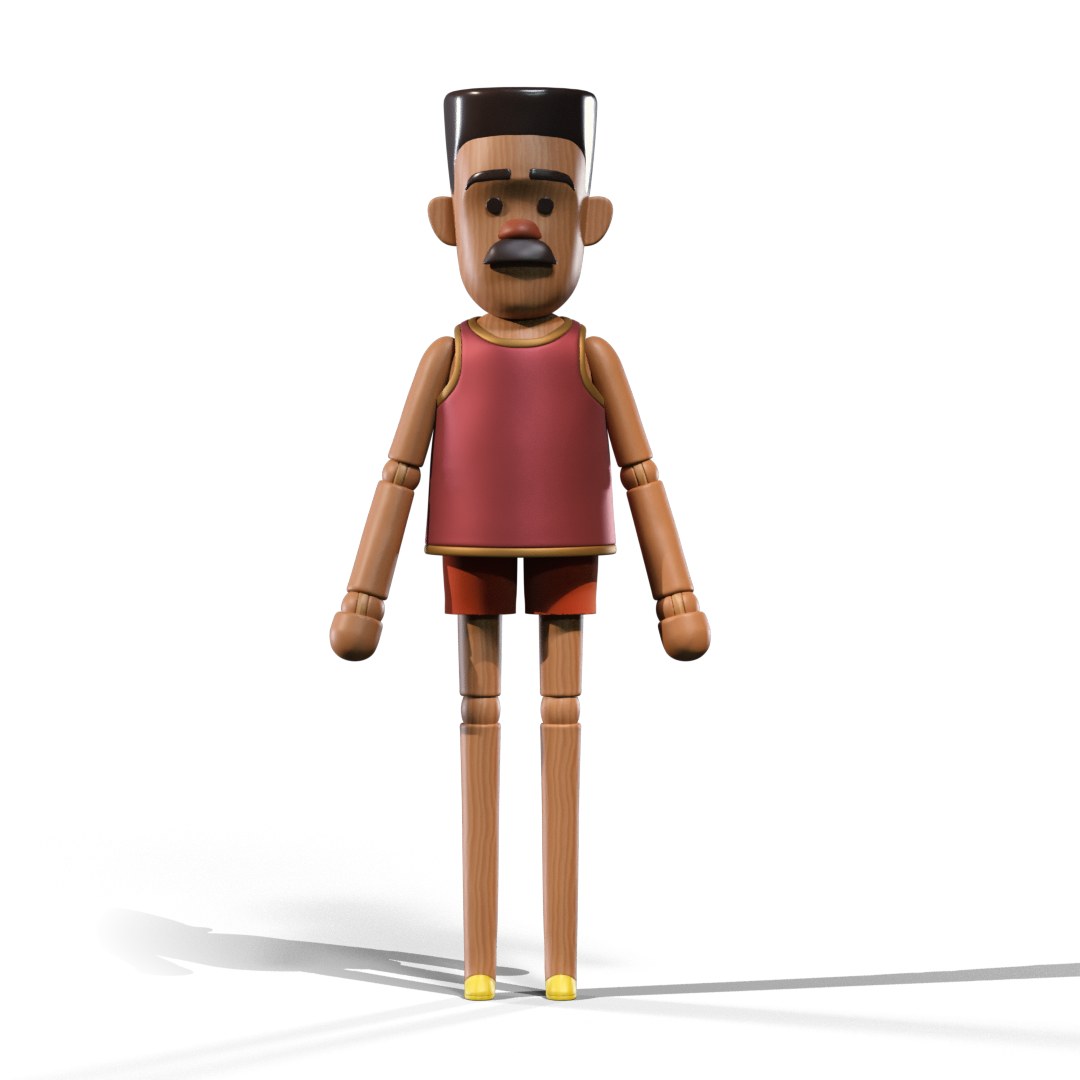
A second pass
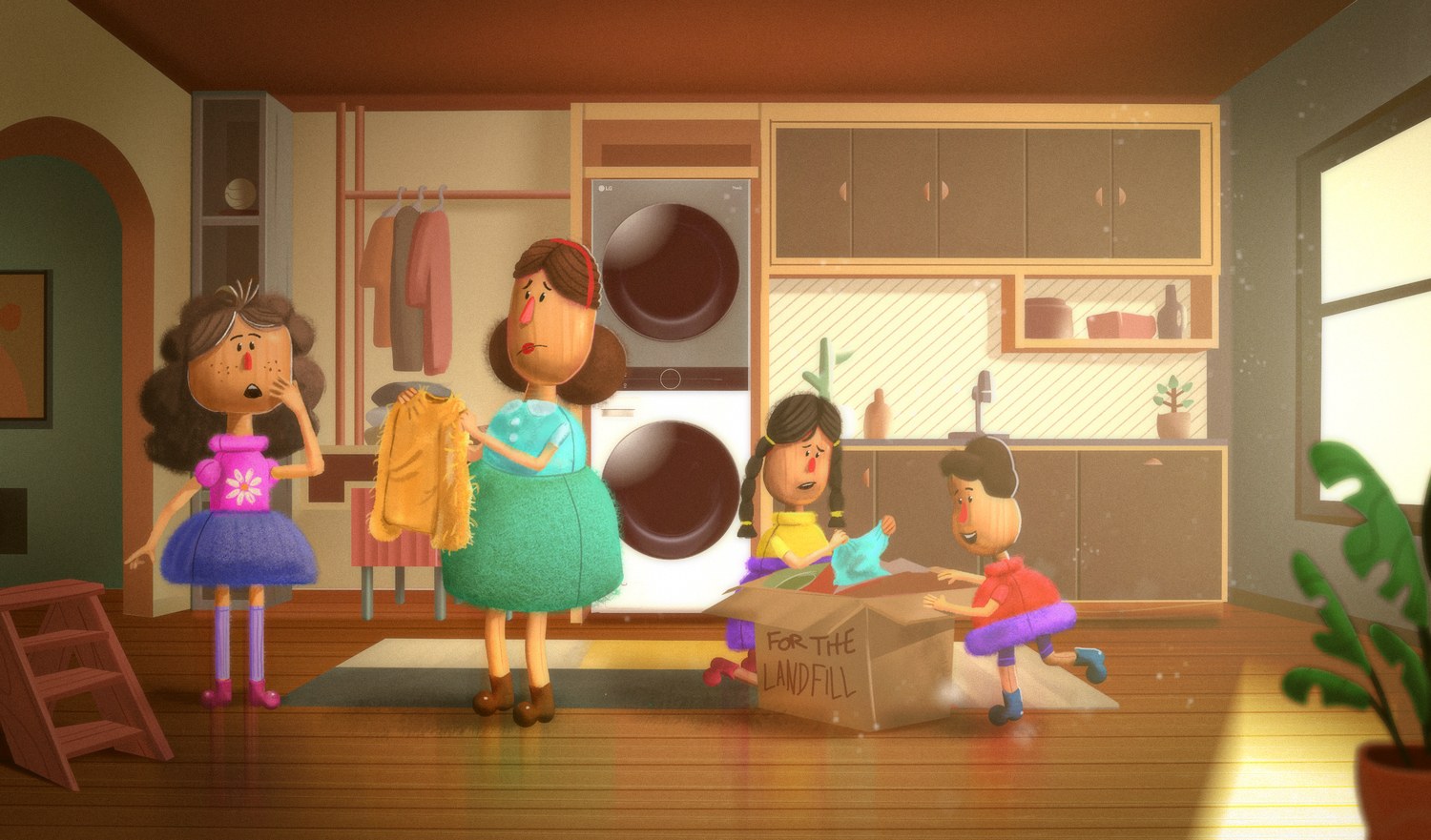
The family, in proportion
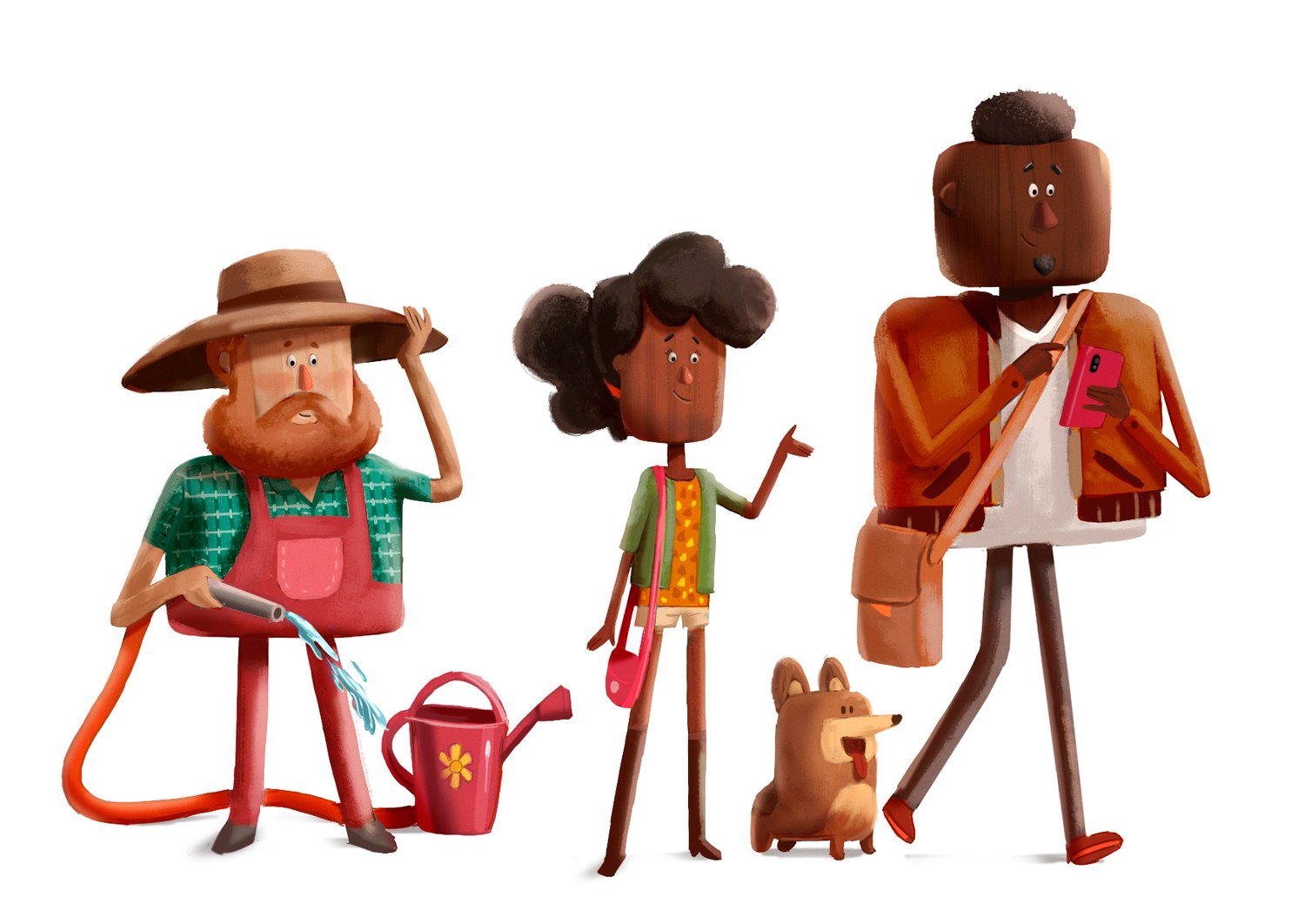
The painted cast
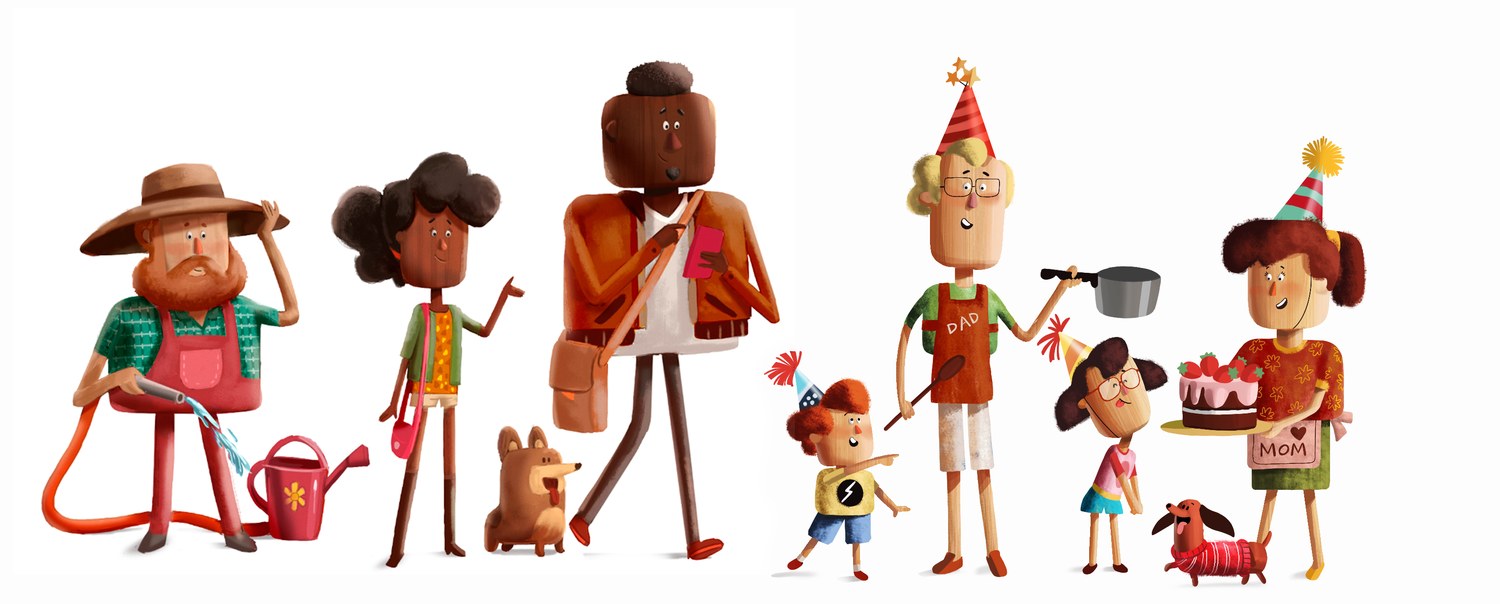
And the wider town
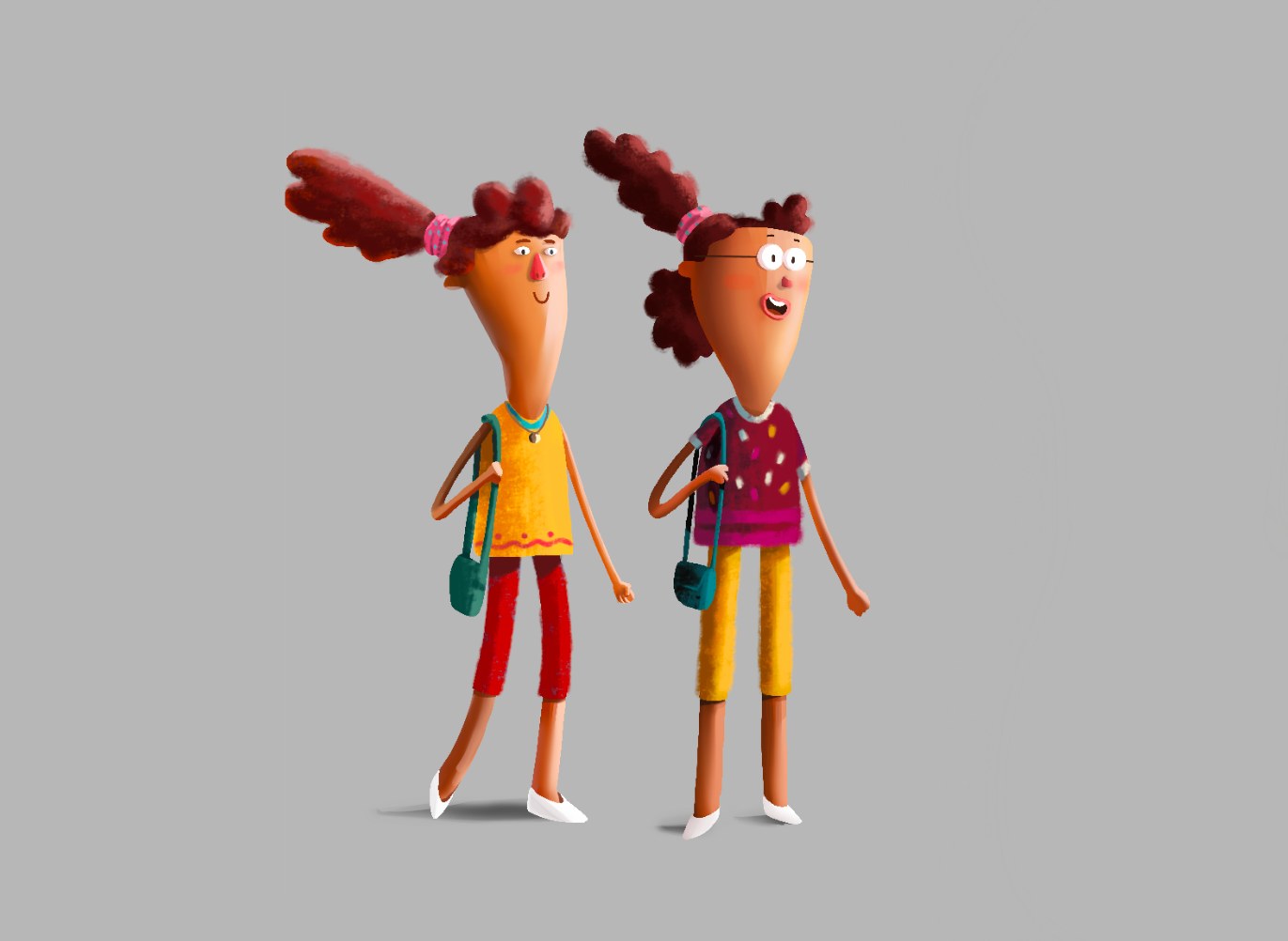
Two of them, resolved
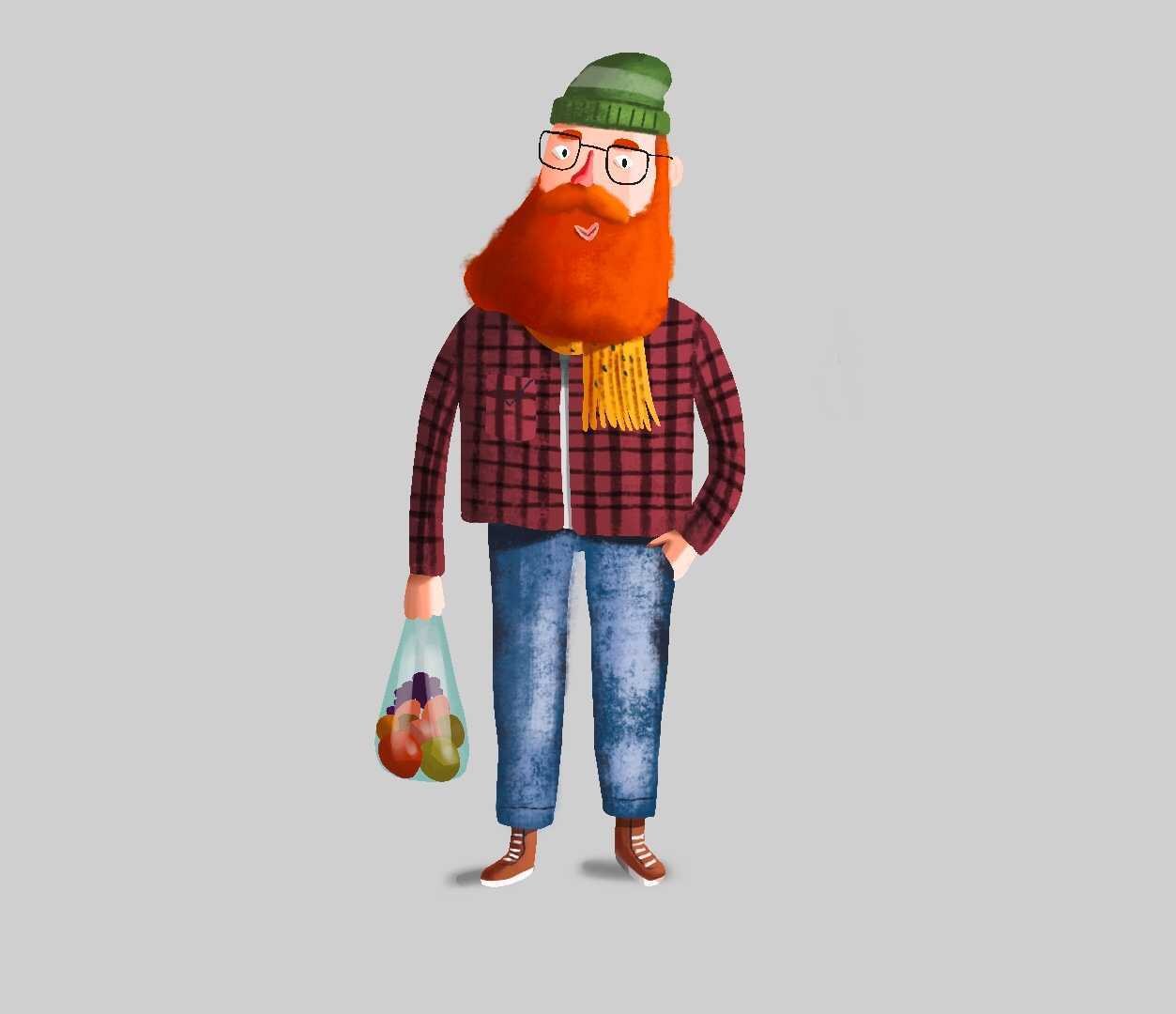
Coming back from the shops
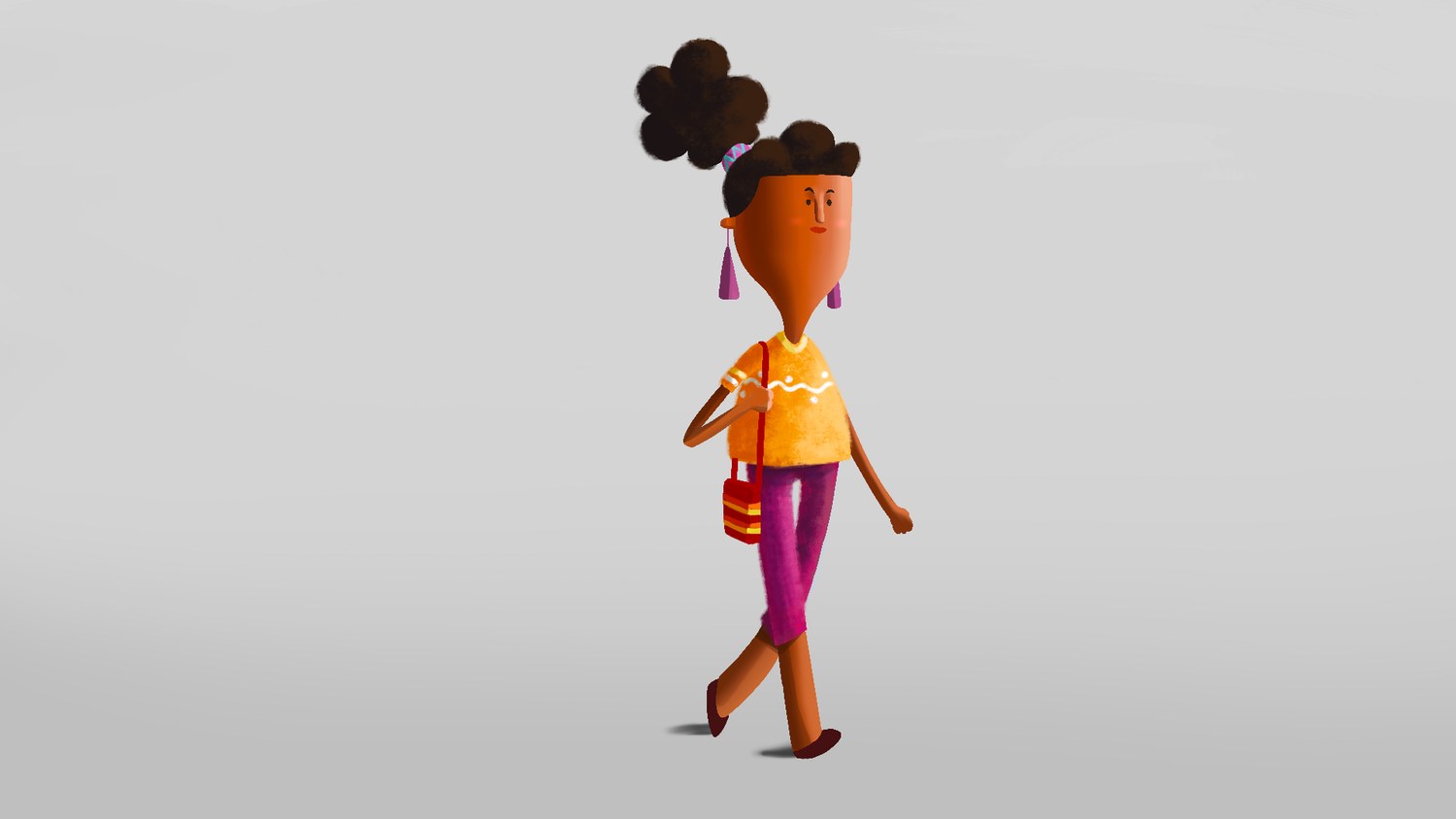
Walking, and that is the whole test
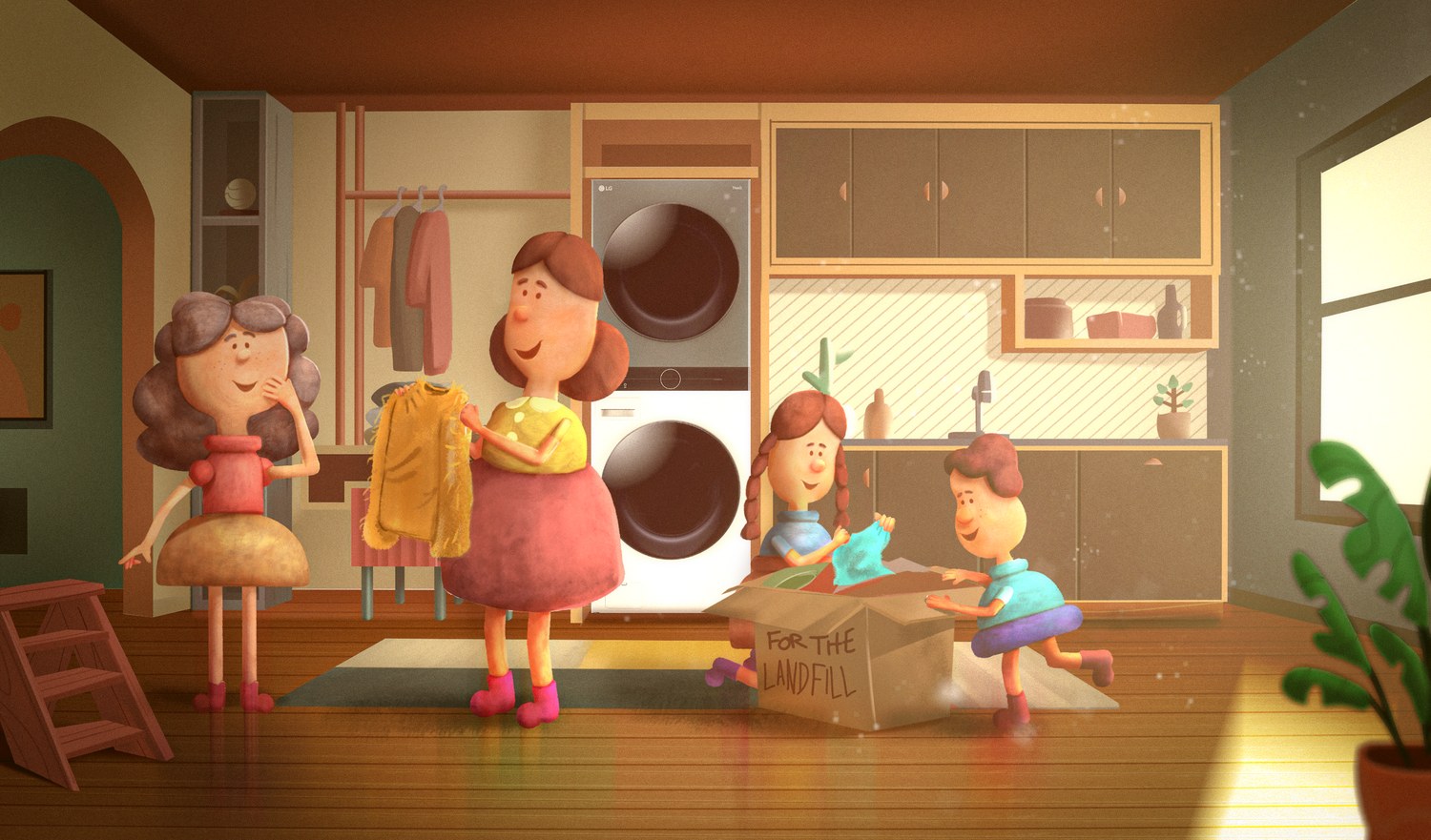
Then dropped into the room they had to live in
The Hand
The campaign has a host, and it is a hand. It greets you, leads you into the first house, and from then on works as the characters’ conscience: a gentle nudge towards the better choice. The characters never flinch at it, because in this world they are used to seeing it around. It was cast as a woman’s hand for gentleness, and deliberately as several women, a different skin tone per scene, so the campaign looked like the people in it.
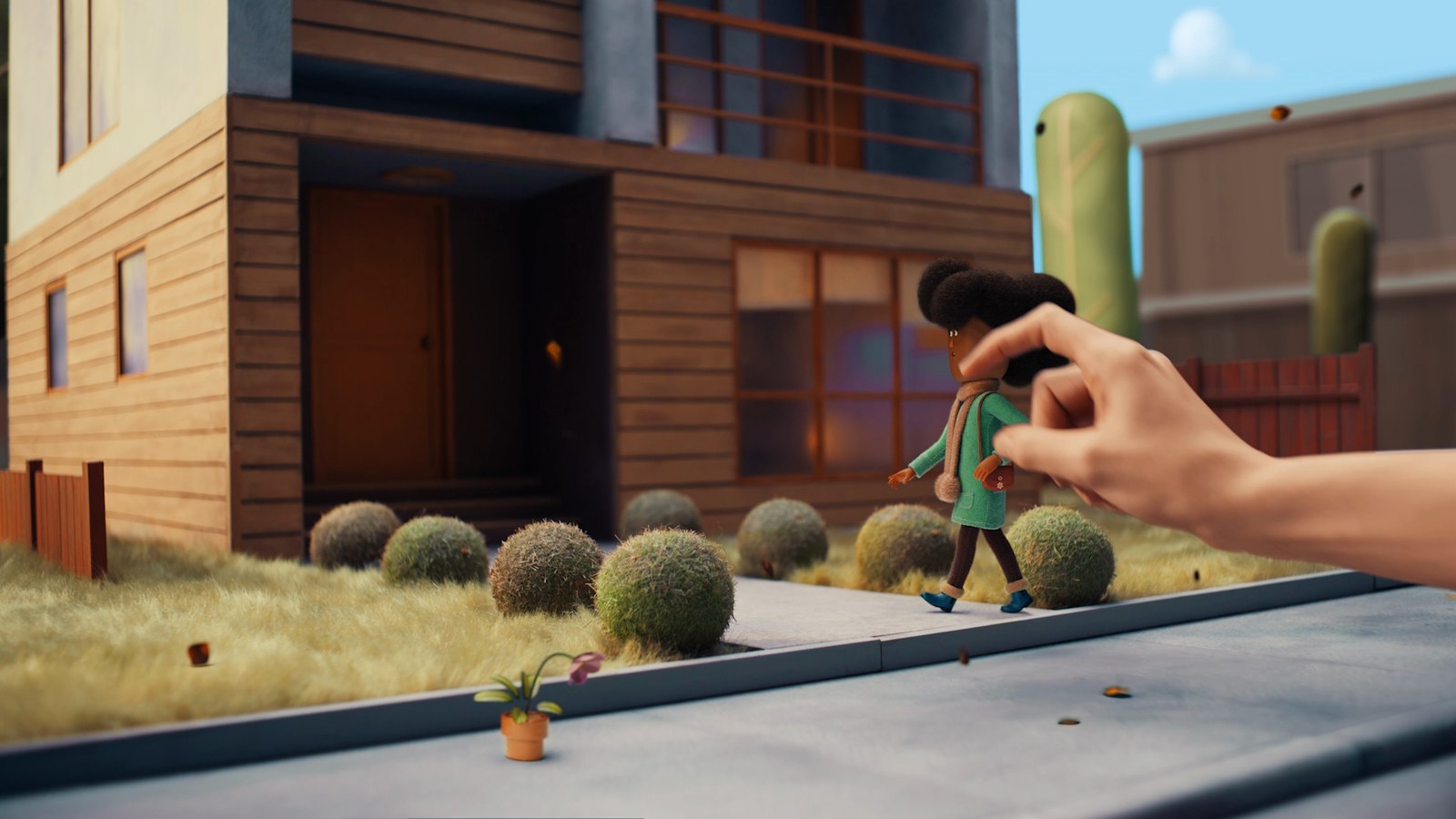
A nudge on the pavement, outside the house
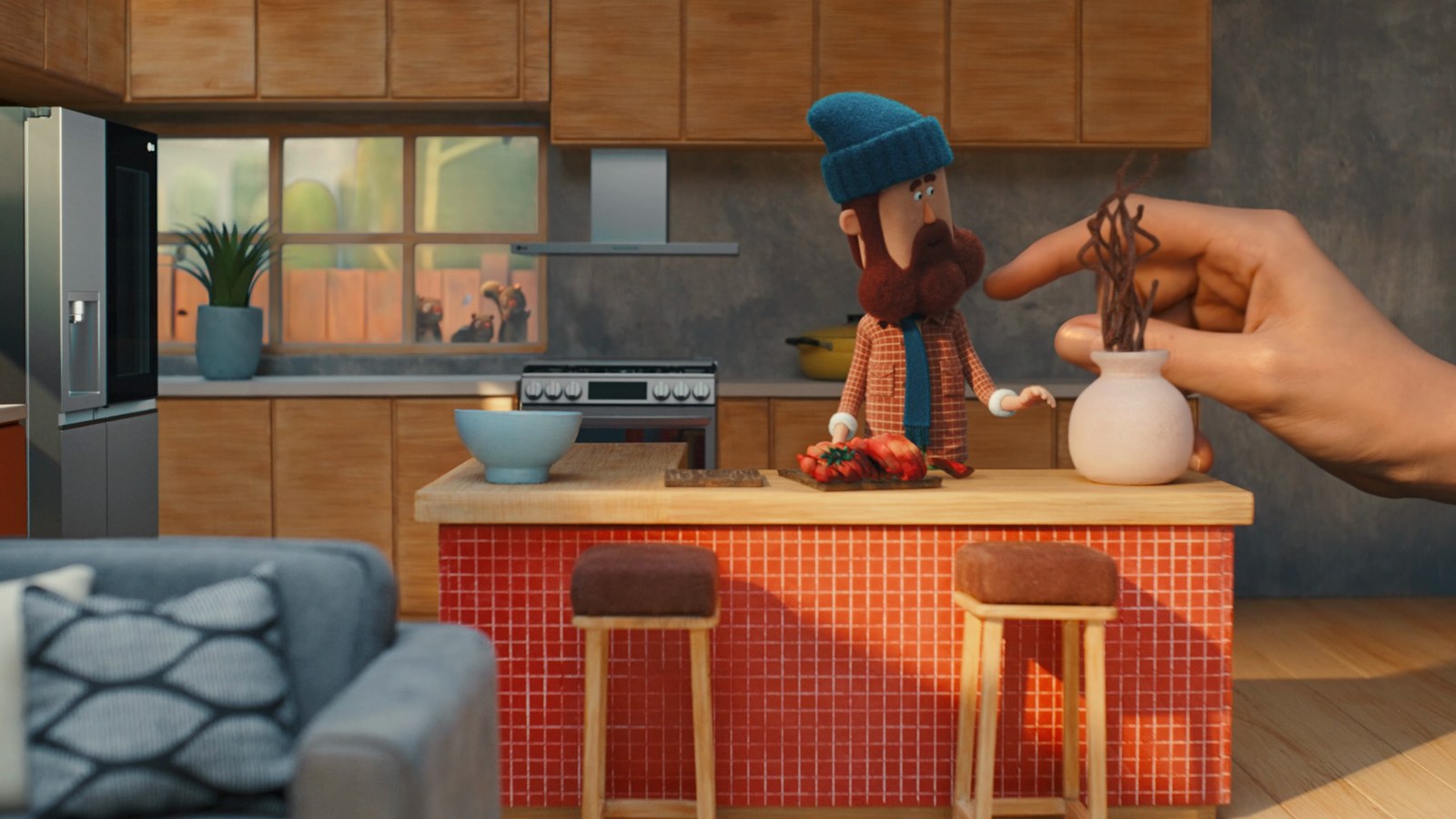
Setting a jar down on the kitchen counter
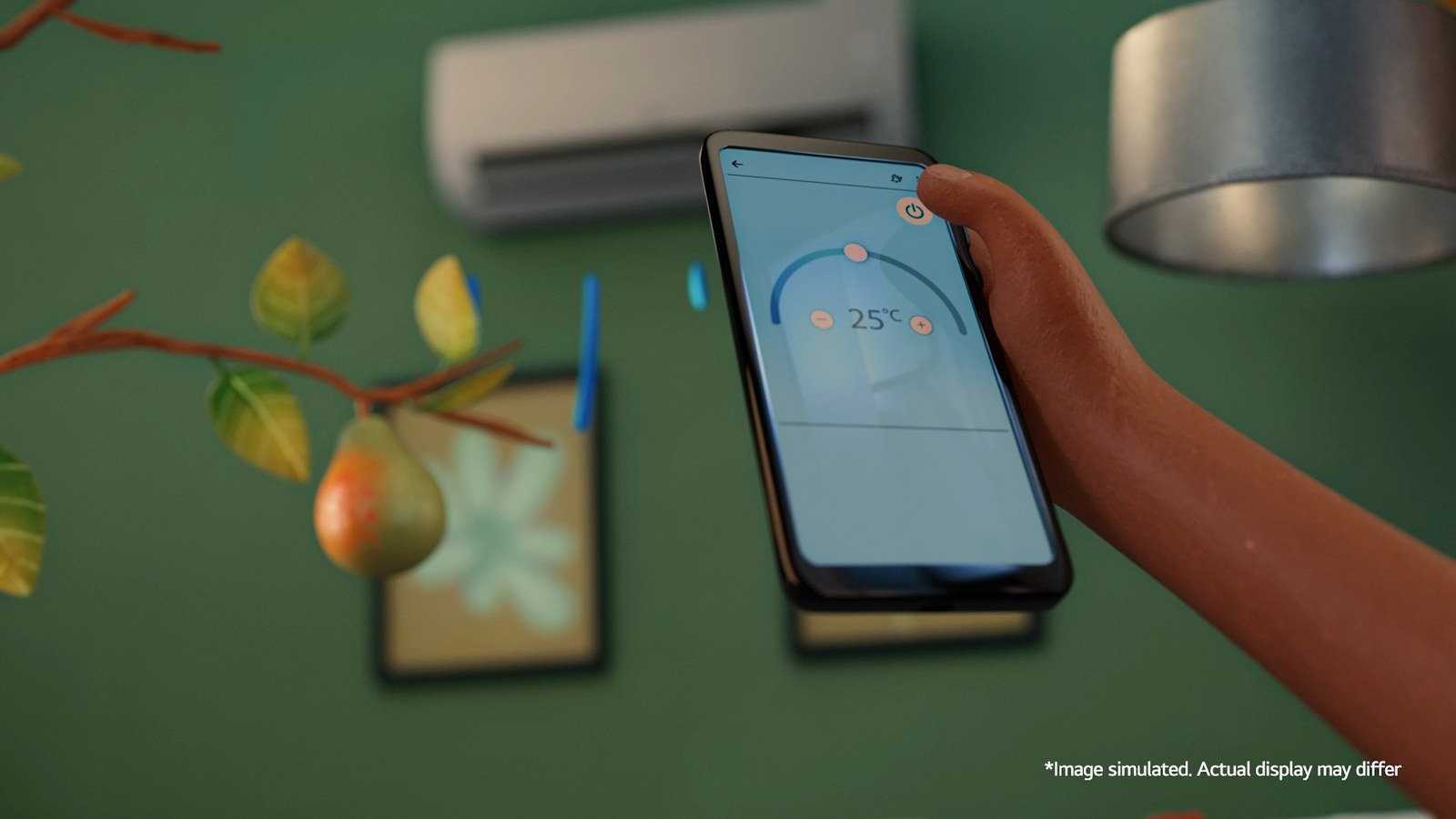
And on the screen, where the choice gets made
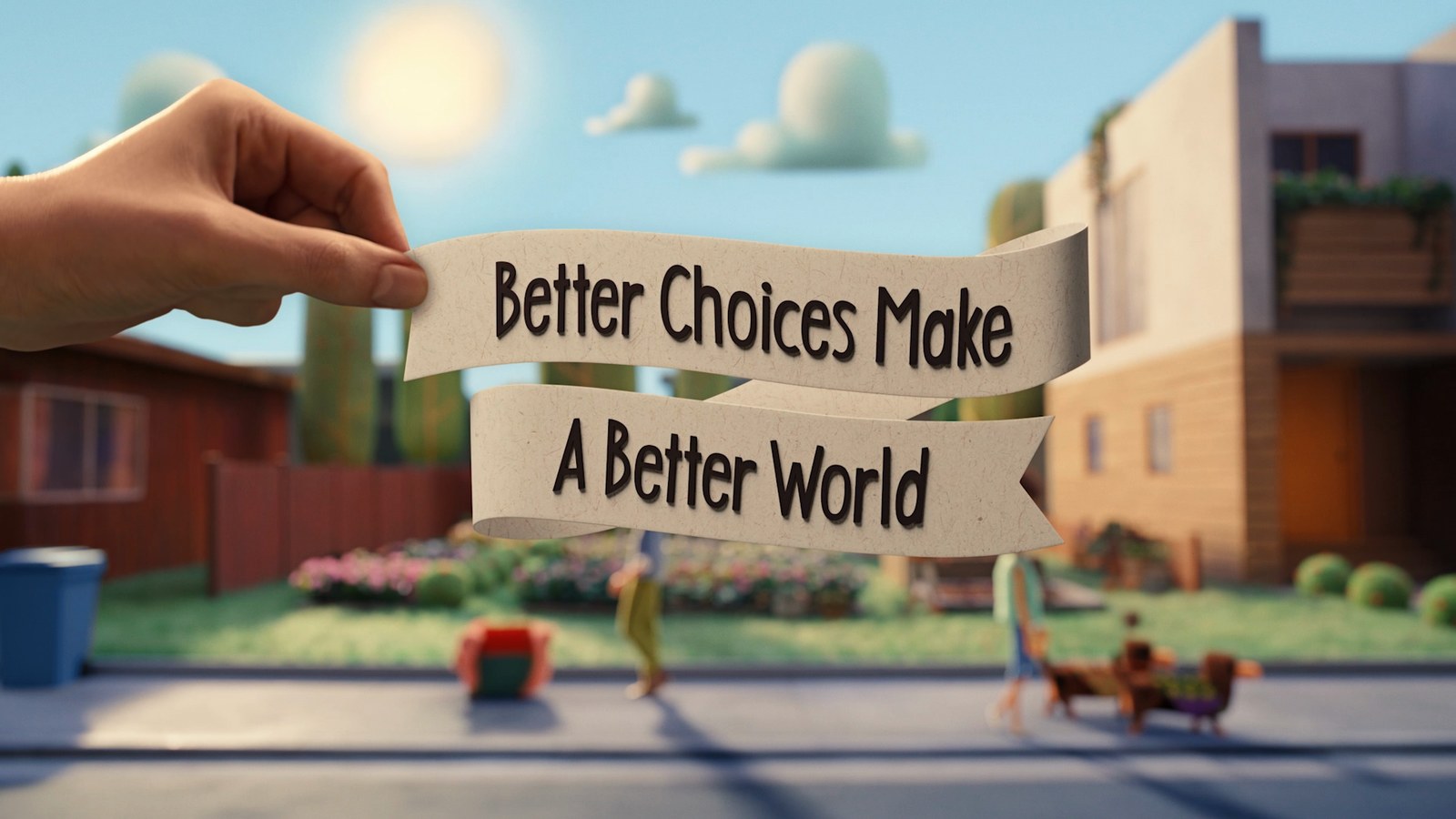
Better Choices Make a Better World, held up at the end
The appliances
The machines could not be cheated. Every appliance was built in CG and taken through full look development until the steel, the glass and the door-in-door of the InstaView fridge read as the real product rather than a model of it. They had to survive being handled on camera, opened, and filled, at the same scale as everything around them.
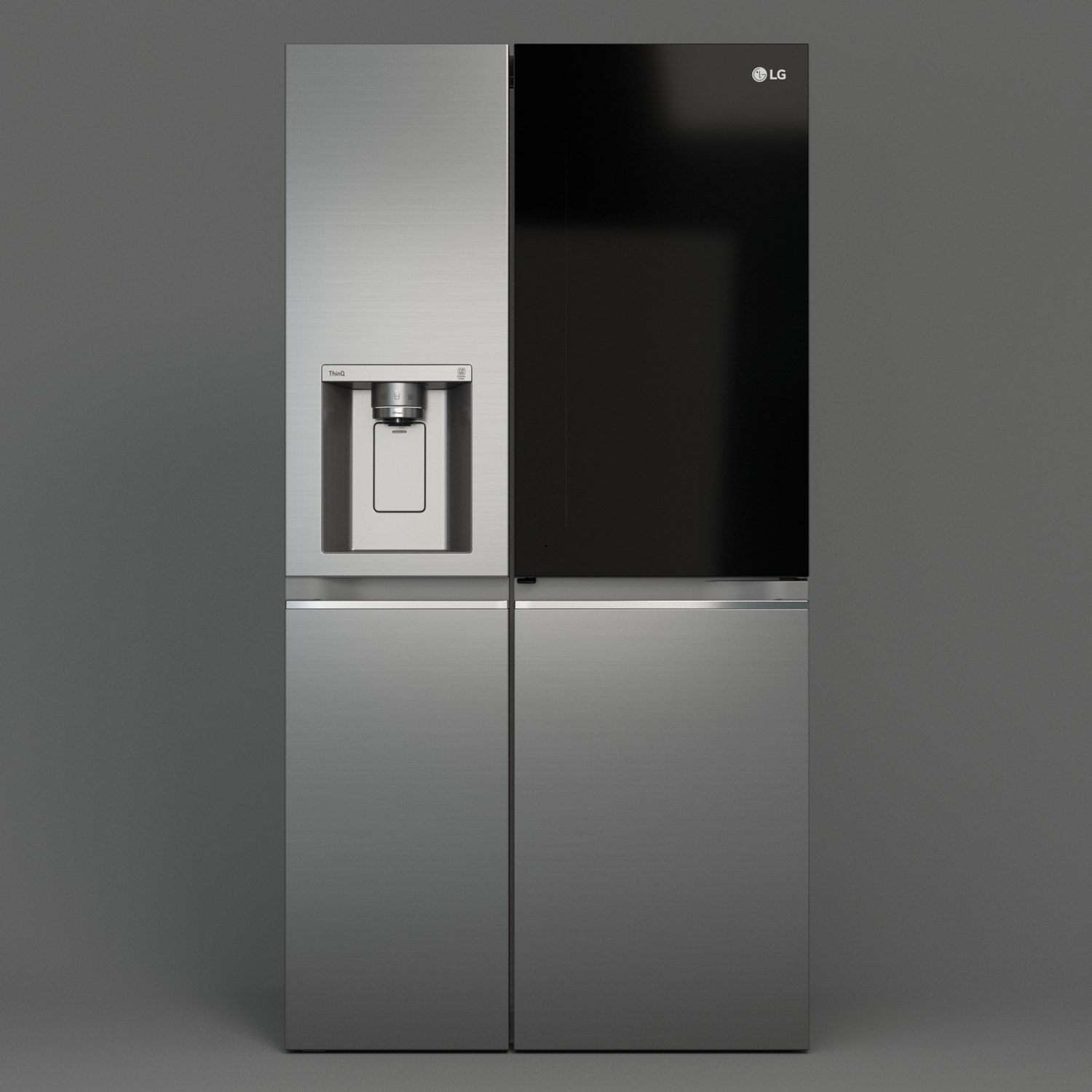
The InstaView, modelled
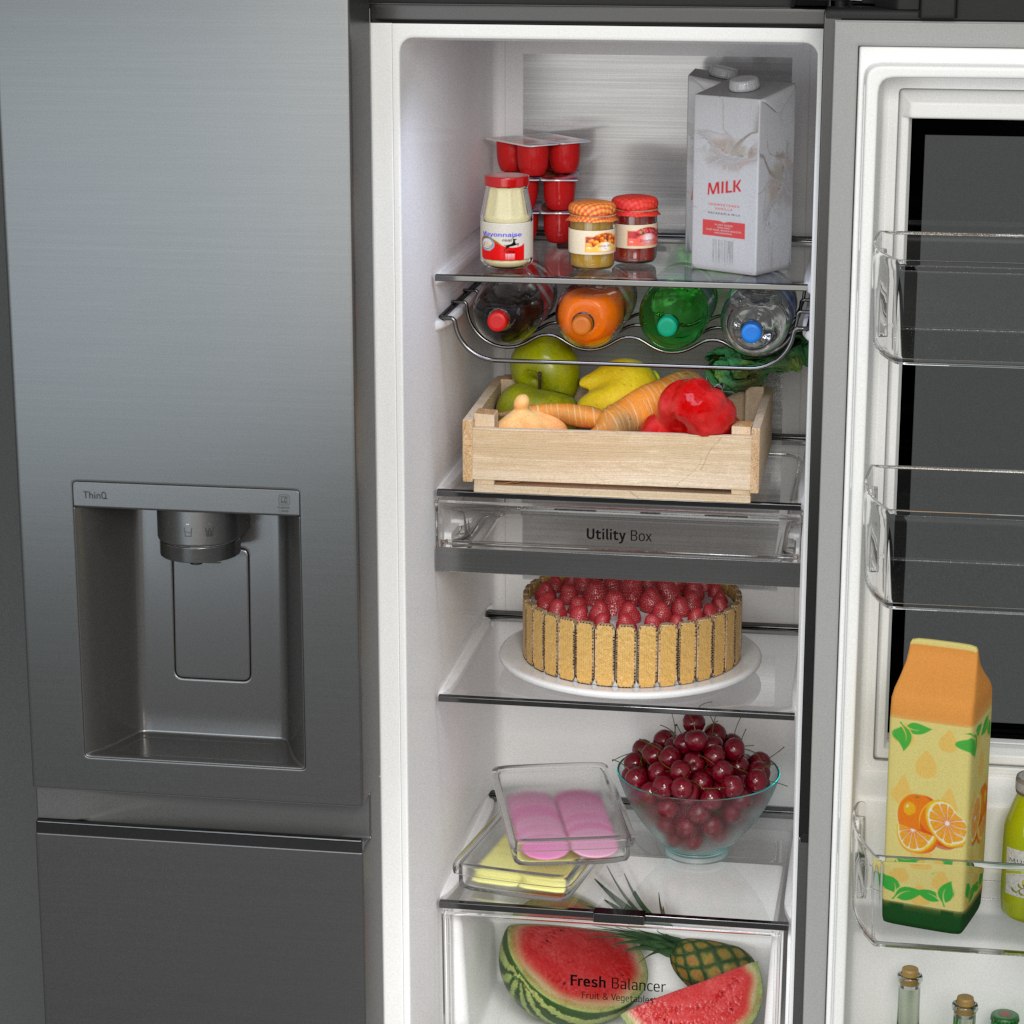
Dressed, down to the shelves
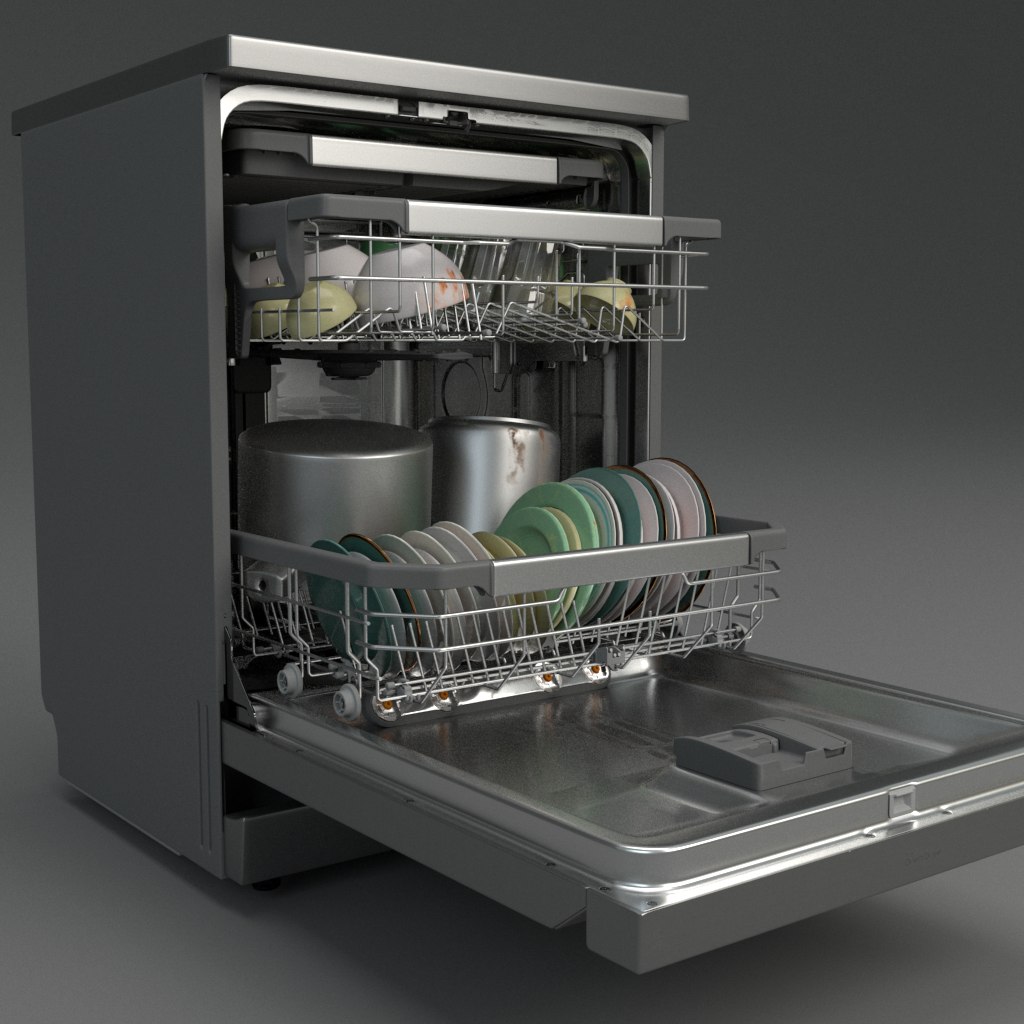
The dishwasher
The ugly ones
The campaign argues for the food that gets left behind for looking odd, so the odd ones had to be designed rather than found. Each was built from photographic reference of a real deformity: the carrot with legs, the double apple, the tomato that grew into three. If they had looked charming it would not have worked.
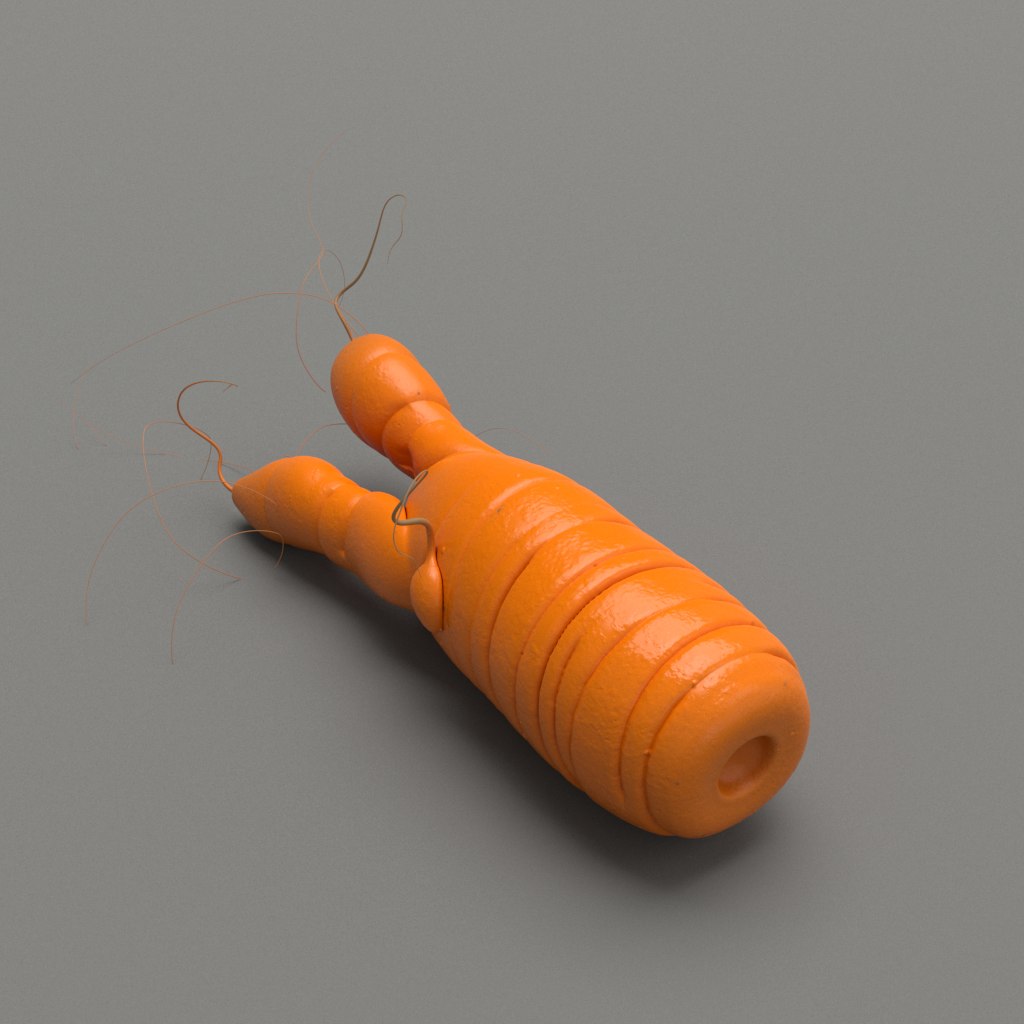
The carrot with legs

And its reference
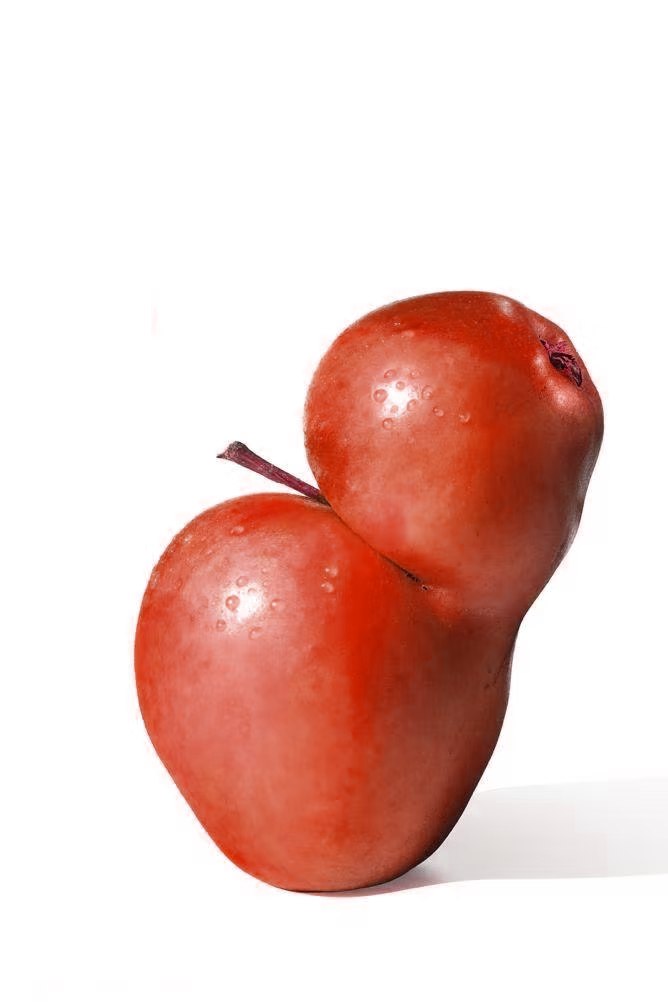
The double apple
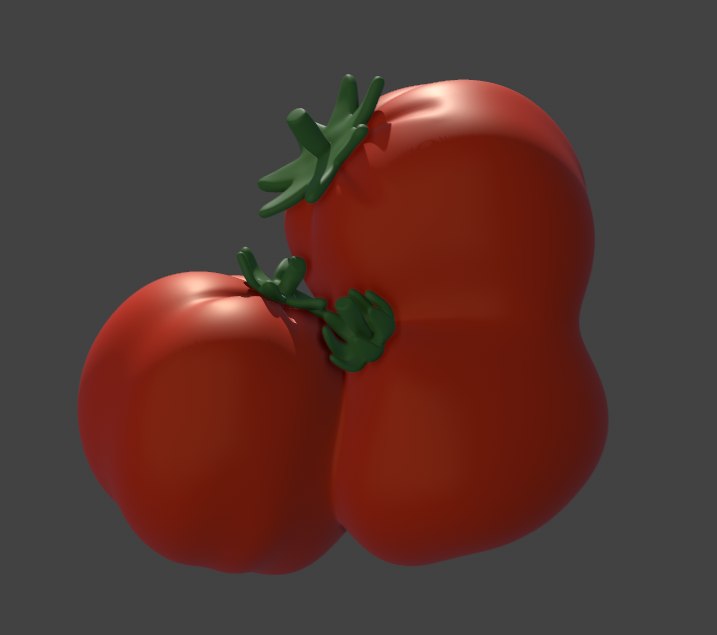
A tomato that grew into three
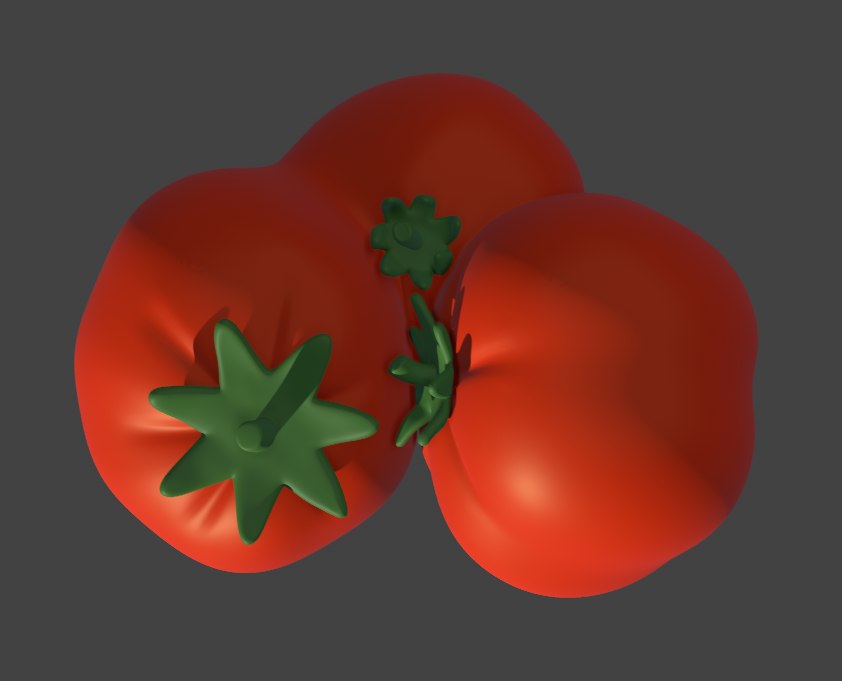
Every one built from a real one
The sustainable set
A campaign arguing against waste had no business making any, so the production brought in Set Sustentável, a consultancy that does exactly this, and let them run the set. They were there through pre-production and on the floor, teaching the crew the details that actually make a green set rather than the label of one.
The hardest part was the walls. Sets here are built from MDF, a composite that normally has one life and then becomes rubbish. The team negotiated with suppliers and their carpentry partner to take the material back, strip the layers of glue and paint off it, and put it into the cycle again. Packing crates came from Desembala rather than being built and binned. Nothing disposable was allowed on set: real plates, cutlery, cups and mugs, water from twenty litre containers instead of bottles. Sets were prototyped in cardboard first so the sizes were right before anyone cut into heavier, dirtier material. No food was wasted.
It makes sense for this campaign, but it makes sense in reality for everything, and that should be part of our productions, not just this one.
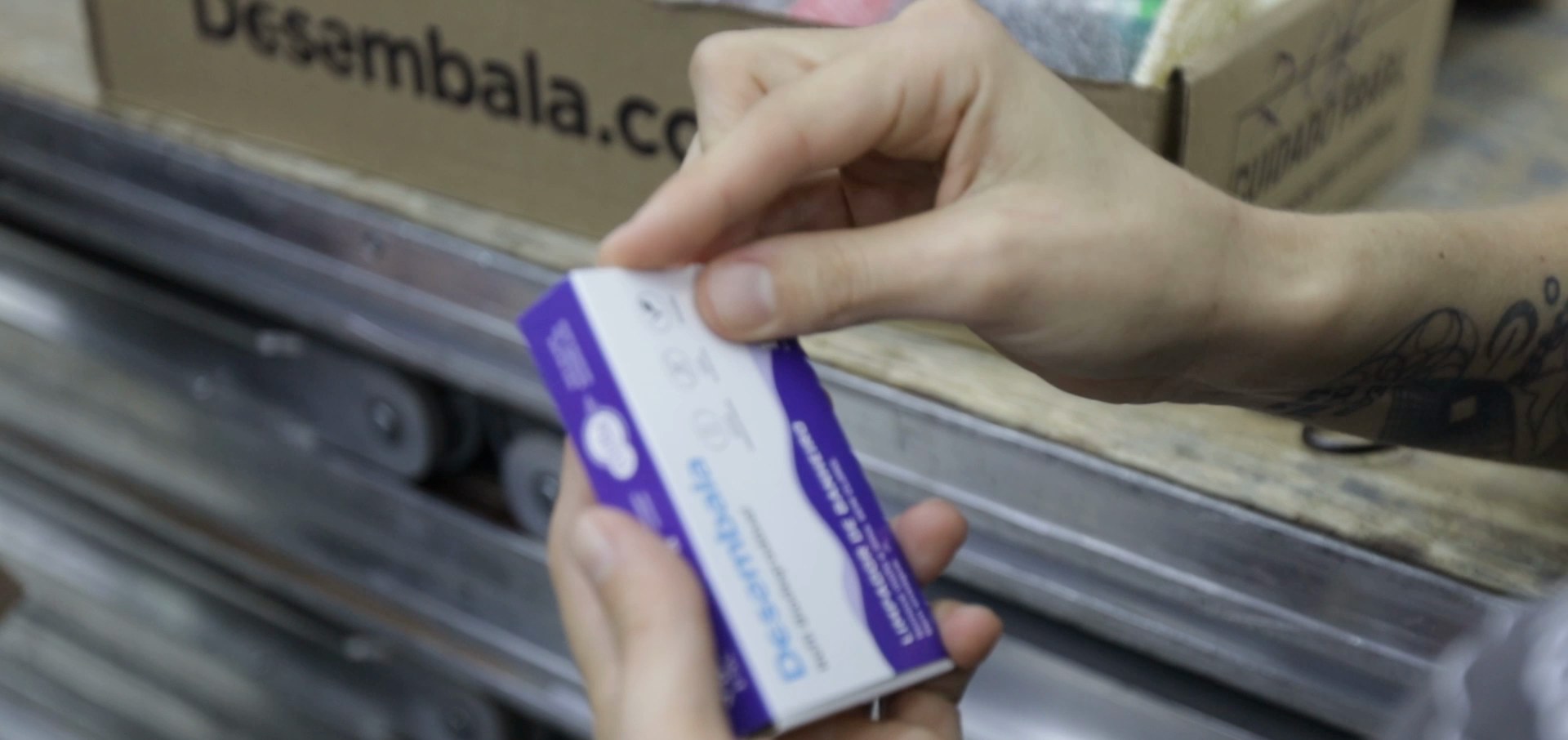
Reusable crates on the set track, not built and binned
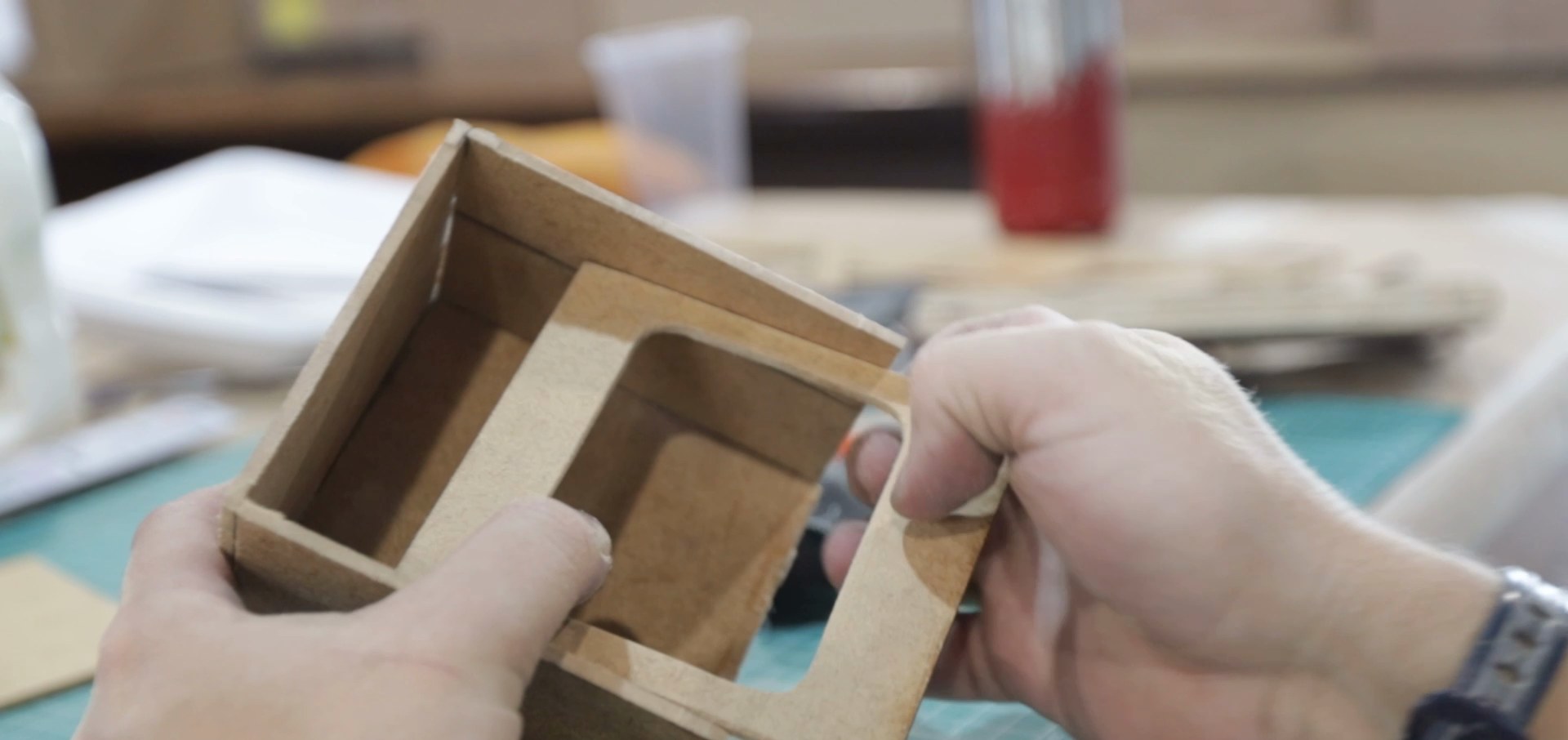
Cardboard first, so the heavy material is cut once
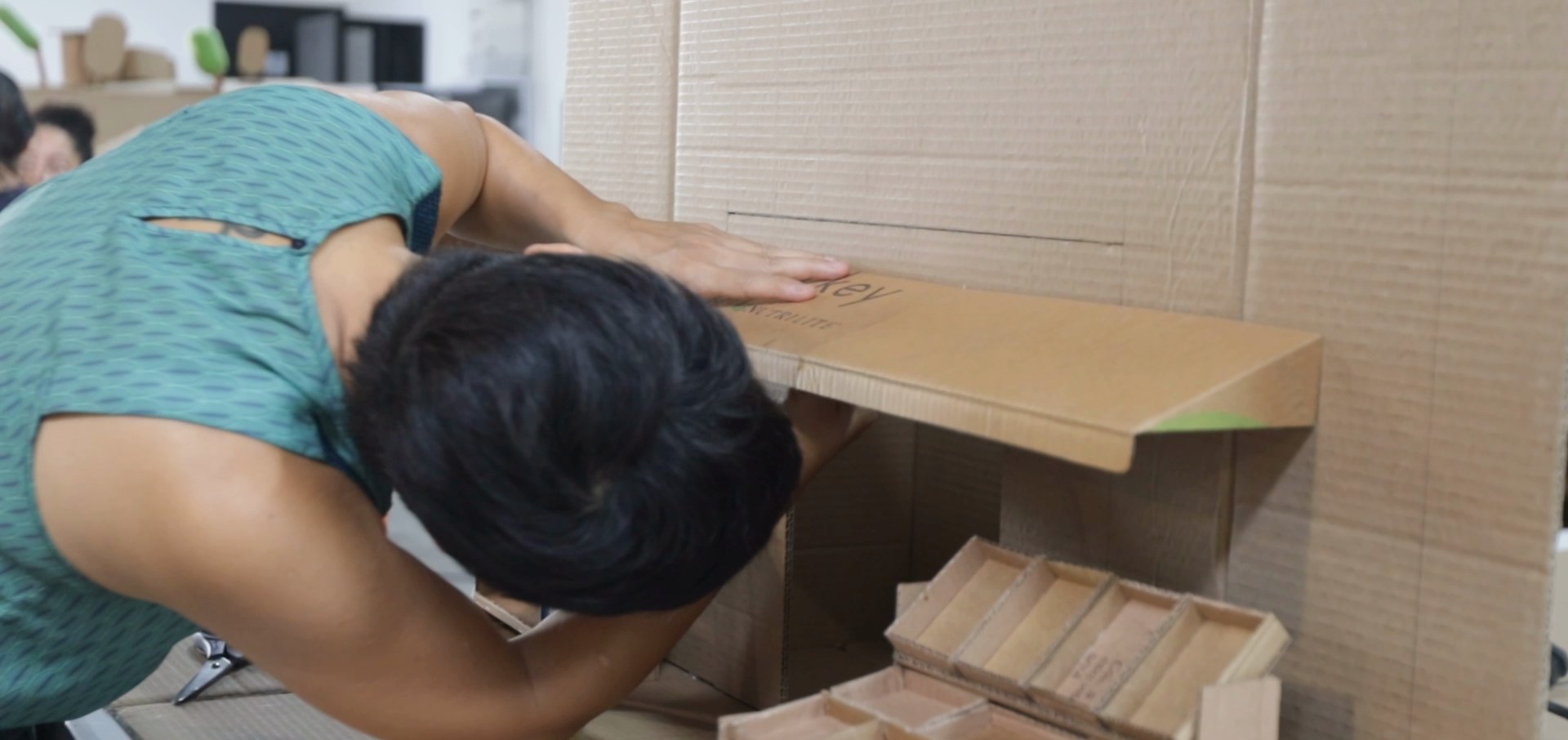
Prototyping the build in board
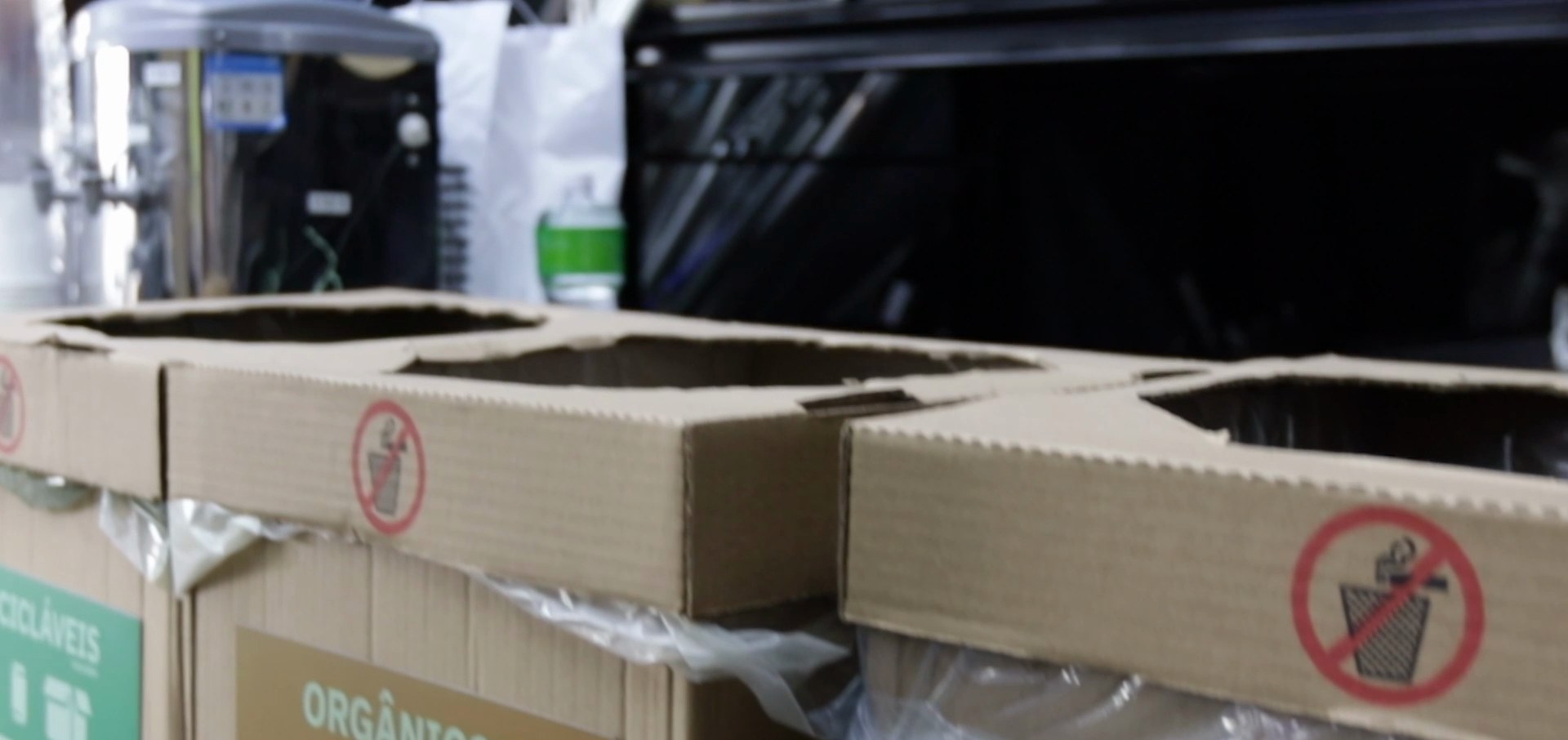
Separated on set, by stream
Practice described by the production team and Set Sustentável in the campaign making-of. During pre-production the art team separated and collected 8 hundred litre bags of recyclables and a bag of organics, and the project closed with an impact certificate.
Turntables
Nothing in this world is smooth. Every character was built as if it had been sewn, so look-dev had to prove the fur, the felt and the stitching held up from any angle before a single shot was lit. The chrome ball and the colour chart are in frame because these are the real turntables, not a presentation of them.
Chipmunks, look-dev turntable
Chickens, look-dev turntable
Look development
Alongside the animals, every appliance in the campaign went through the same look-dev: the fridge, the washer and dryer pair, the styler, the dishwasher. They had to sit in a handmade world without looking like the only thing in it that came out of a computer.
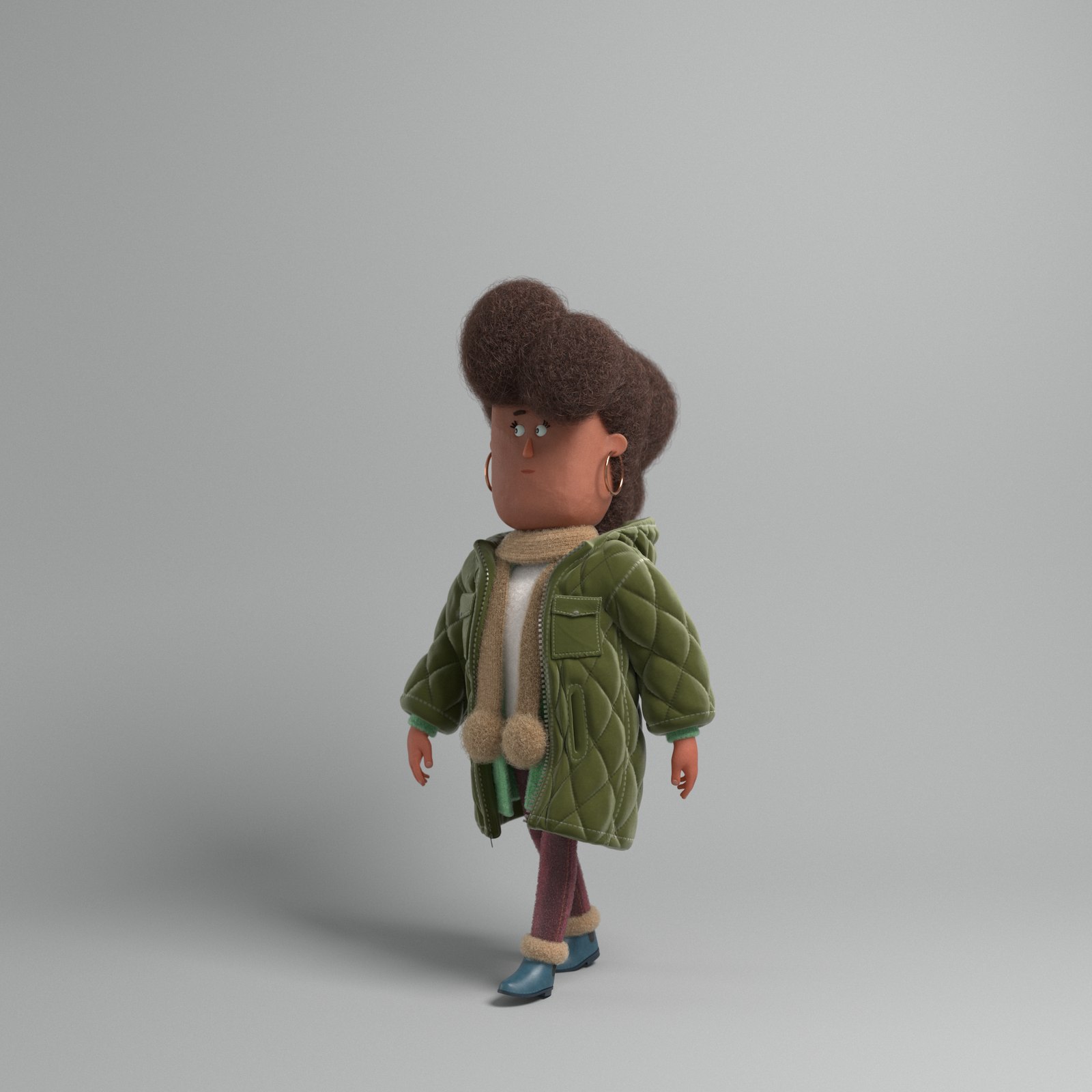
Marjorie
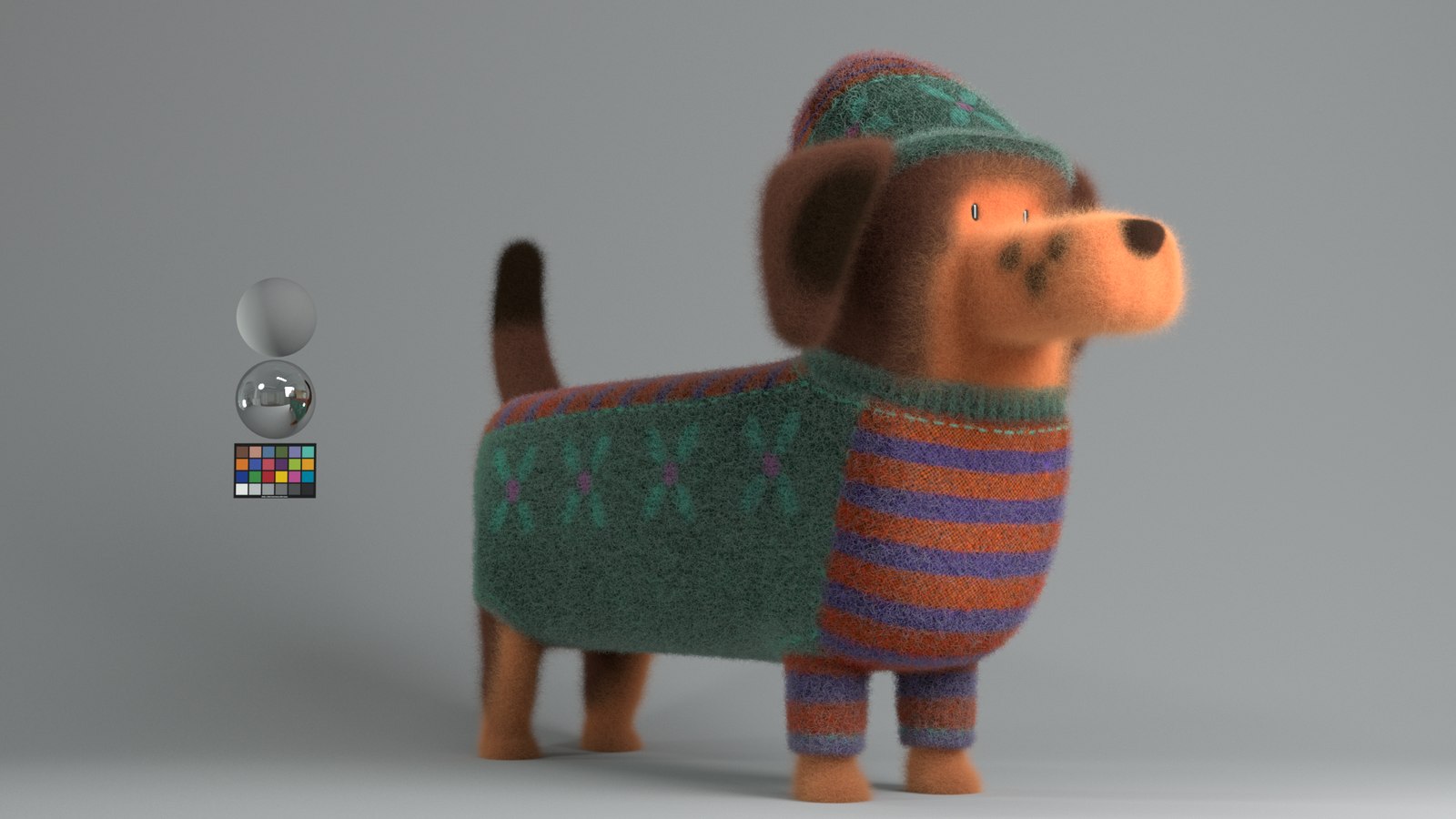
The dachshund
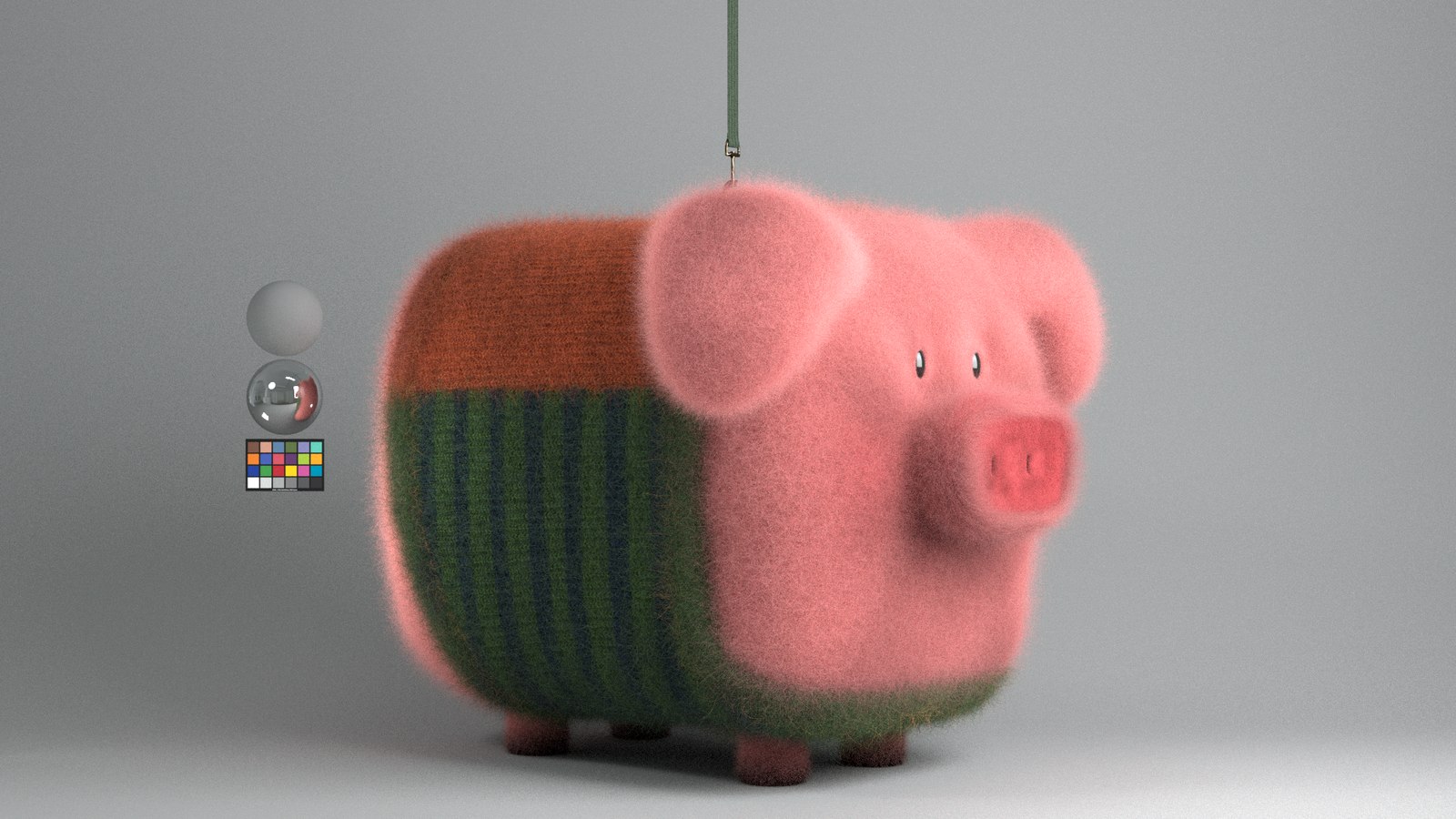
The pig
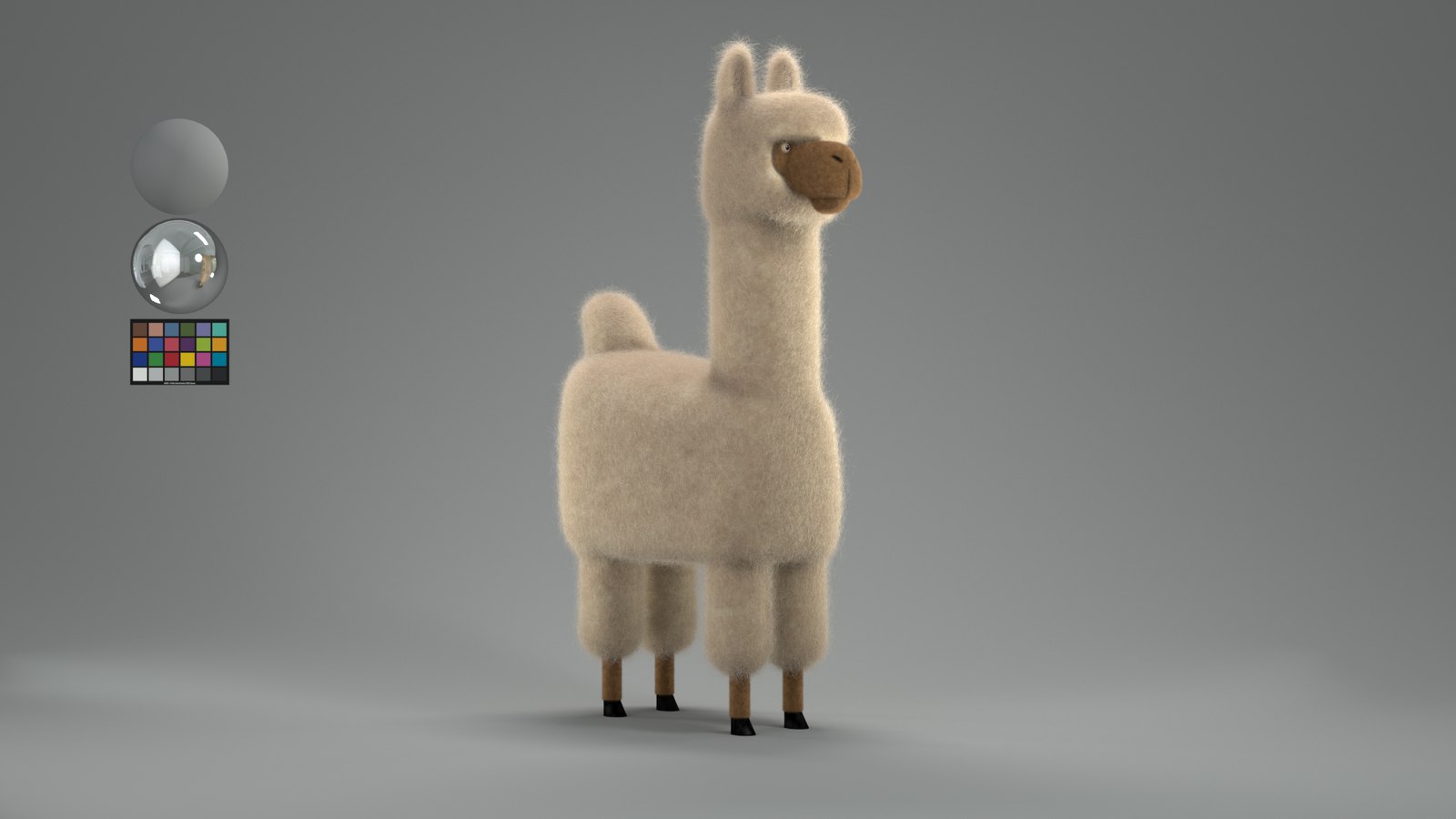
The llama

The bee
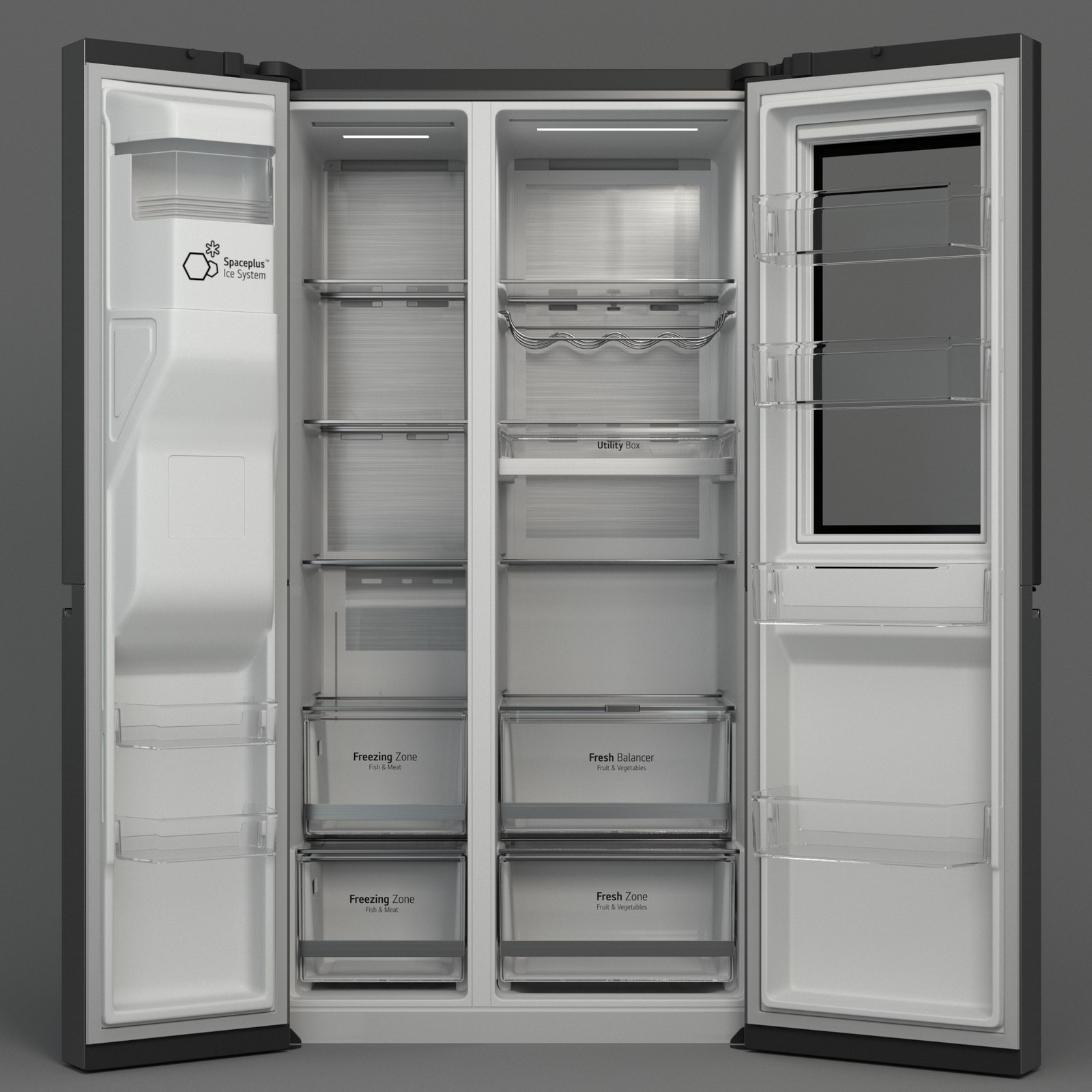
The InstaView fridge
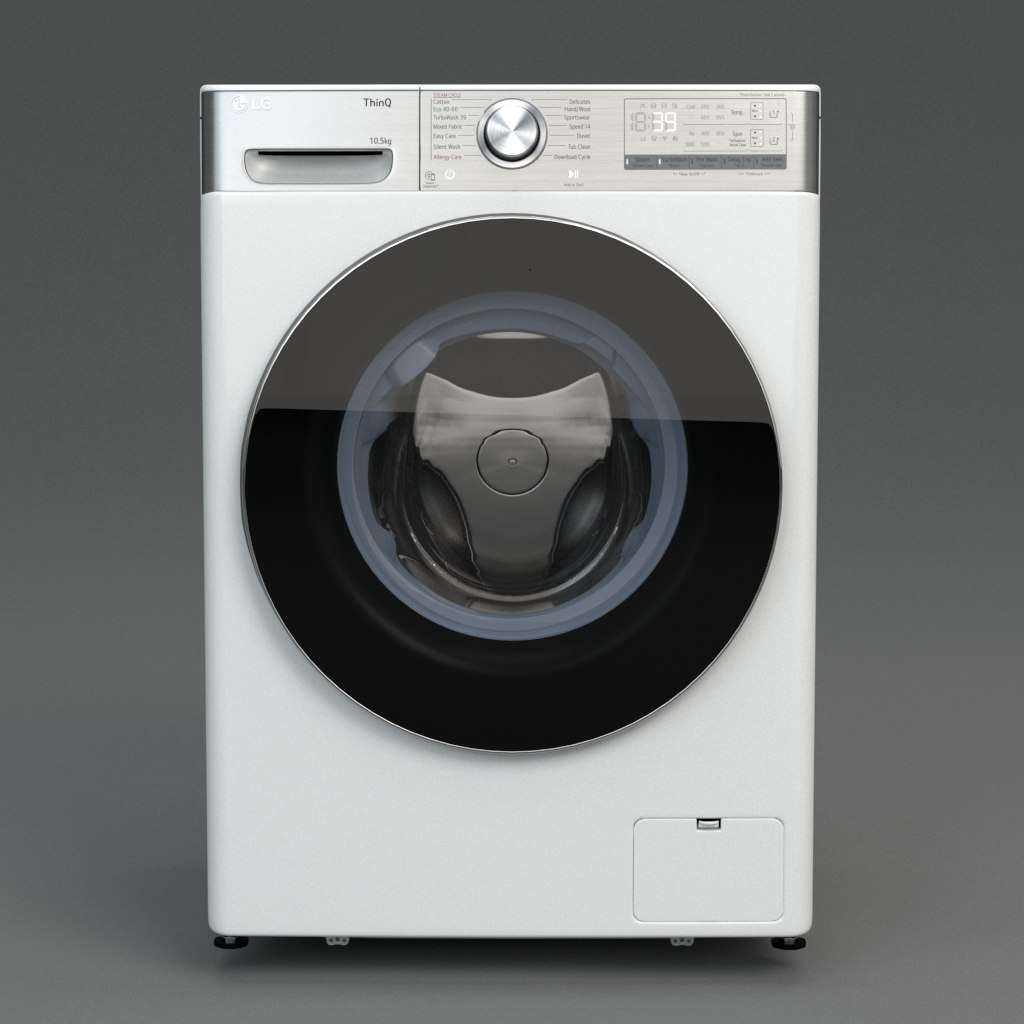
The washer and dryer pair
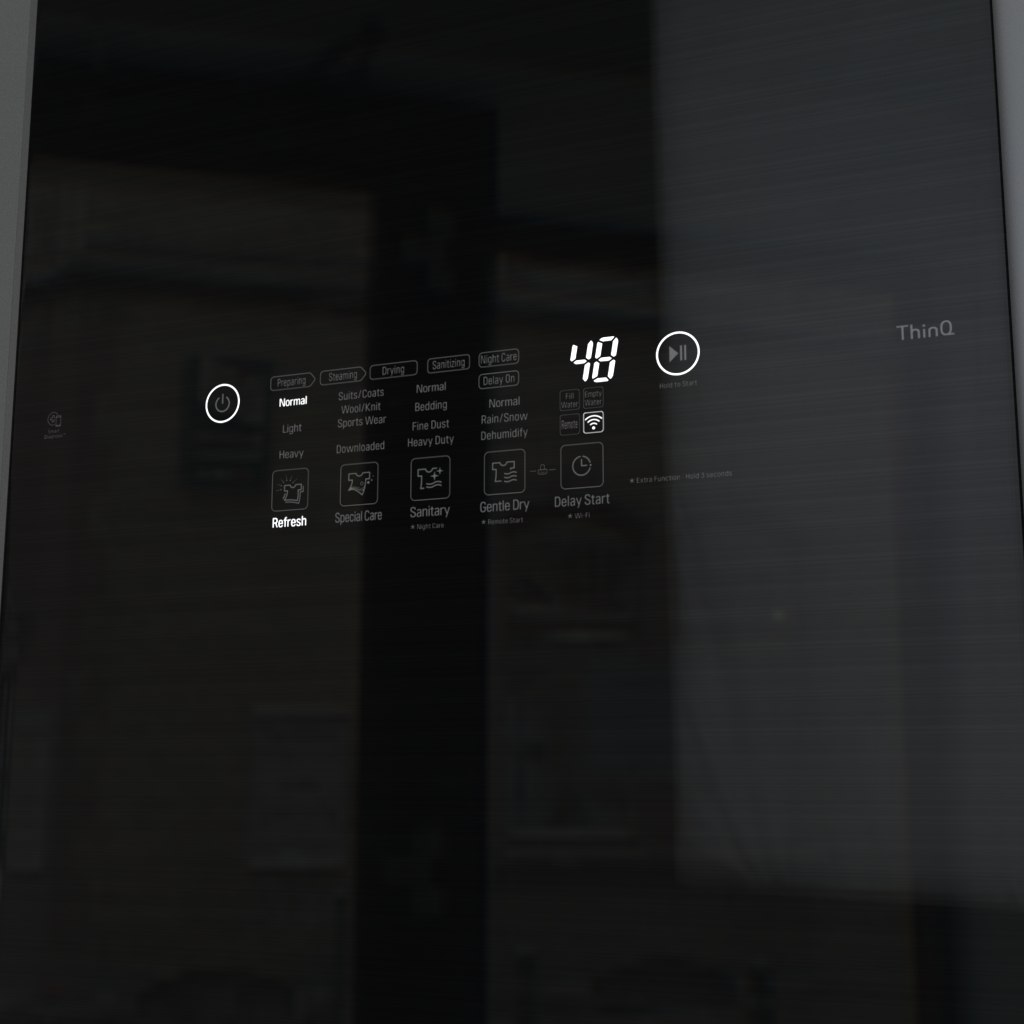
The Styler
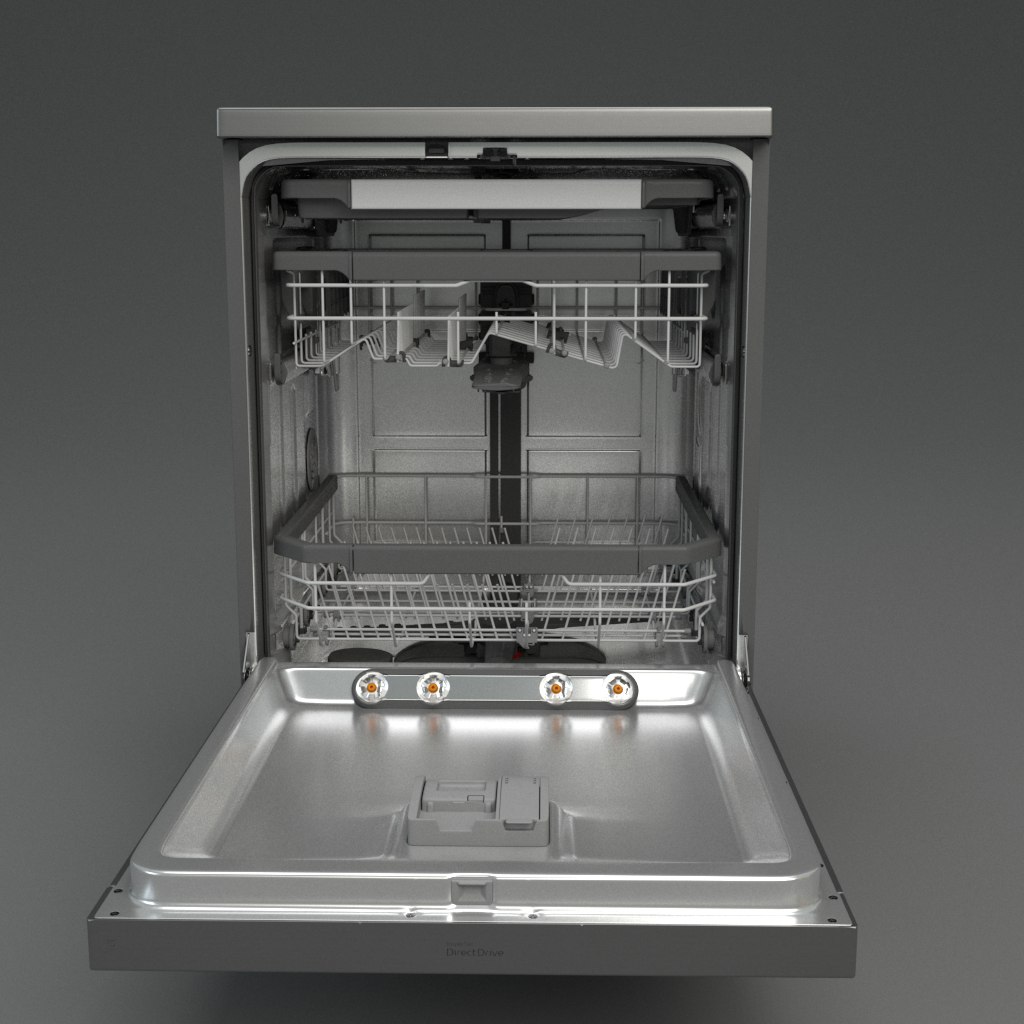
The dishwasher

Even the vases
From animatic to final
The Flowers Whisperer end to end, in the order it was actually made. The animatic decides the film before a single set exists. Previz finds the camera. Offline is the real hand shot against the miniature. Online is what went out.
Recognition
Credits
Client
LG Home Appliances
Agency
TBWA\Chiat\Day New York
Creative Team, Agency
Walt Connely
Royston Ang
Patrick Burke
Agency Producers
Natasha Tkach
Taylor Kigar
Creative Director, LOBO
Mateus de Paula Santos
Directors
Mateus de Paula Santos
Gabriel Nóbrega
VFX Supervisor
Leandro Pena
Art Director
Mateus de Paula Santos
Lead Set Designer
Borys Marques de Castro Lage Duque
Head of Production
Clara Morelli
Head of Post Production
Marcelo Barbosa
Rigging Supervisor
Rafael Dias Joy
Editors
Eduardo Silva
Pedro Falcone
Color Grading
Company 3
Music
Mr. Bronx
Executive Producers
Luis Ribeiro
Alberto Lopes
Directors of Photography
Lucas Andres Barreto
Humberto S. Hacker
Sustainable Set
Perla Estevao Pinto Tavares do Carmo
Head of CG
Fabio Shigemura
More work